
Sell Rental Property With Tenants in Texas — Without the Headache
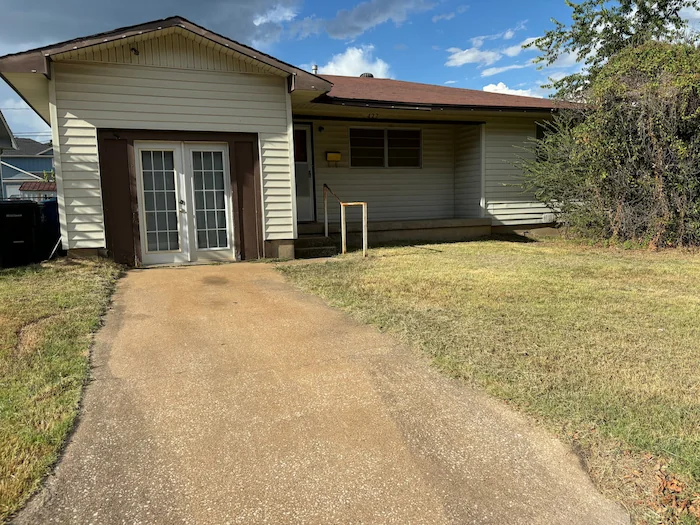
You didn’t get into landlording planning to be a property manager, a maintenance coordinator, and an amateur therapist all at once. But here you are. The calls at weird hours, the rent that’s late more often than it’s on time, the repairs that eat everything you thought you were making. You want out, and you want to know if you can actually sell this thing without a months-long legal battle first.
The short answer is yes. You can sell a rental property with tenants in Texas. You have more options than you think, and one of them doesn’t require evictions, repairs, or even a single showing. Let’s walk through everything so you can make the call that’s right for you.
What You’ll Learn:
- → Can You Sell a Rental Property With Tenants in Texas?
- → Texas Tenant Rights When a Landlord Sells
- → Your 3 Options for Selling a Rental Property With Tenants
- → When Selling to a Cash Buyer Makes the Most Sense
- → What Happens to the Lease and Security Deposit at Closing
- → How to Notify Your Tenant You’re Selling
- → A Brief Note on Taxes When Selling a Rental Property in Texas
- → Frequently Asked Questions
Can You Sell a Rental Property With Tenants in Texas?
Yes absolutely. Nothing in Texas law prevents you from selling an occupied rental property. As the owner, you have the right to sell at any time, regardless of whether a tenant is living there.
That said, some rules govern what happens to the lease and the tenant when you sell. Texas Property Code Chapter 92 lays out tenant rights when a property changes hands, and the key thing to understand is this: the lease survives the sale. The new owner steps into your shoes as landlord and assumes any existing lease obligations. The tenant doesn’t get kicked out just because you sold.
This matters a lot, depending on the type of lease your tenant is on.
Texas Tenant Rights When a Landlord Sells
Fixed-Term Leases
If your tenant signed a one-year lease (or any lease with a defined end date) and that lease hasn’t expired yet, the new owner is bound by it. They can’t raise the rent mid-lease, can’t change the terms, and can’t force the tenant out until the lease ends, unless the tenant violates the lease or both parties agree to something different in writing.So if you’re six months into a 12-month lease, the buyer is buying a property with a tenant for at least 6 more months. Some buyers are totally fine with that. Others aren’t.Month-to-Month Leases
If your tenant is on a month-to-month arrangement, either you or the new owner can terminate the tenancy with proper written notice, typically 30 days in Texas. However, your lease agreement may specify a longer period. This gives the new owner more flexibility, which often makes the property more attractive to buyers who want to move in or rehab it.Security Deposits
When you sell, you’re responsible for transferring the tenant’s security deposit to the new owner or returning it to the tenant directly. Under Texas Property Code Section 92.105, you must either hand the deposit over to the buyer and notify the tenant in writing, or return it to the tenant and release yourself from liability. Do not just pocket it and walk away; that’s a path to small claims court.Your 3 Options for Selling a Rental Property With Tenants
Option 1: List With a Real Estate Agent
This is the traditional route, and it can work, but it comes with real friction when tenants are involved.The upside: You may get closer to full market value, especially if the property is in good shape and the tenant is cooperative.The downside: Showings are complicated. Legally, you have to give your tenant at least 24 hours’ notice before entering, and they have no obligation to make the place presentable or be pleasant to buyers walking through. If your tenant is hostile, uncooperative, or just messy, that’s going to hurt your sale price. Lenders also won’t finance properties in disrepair, so if there’s deferred maintenance, you may significantly cut the buyer pool. And most traditional buyers don’t want to inherit a landlord-tenant situation; they want a home they can move into.A listing on the open market also takes time. 30-60 days to find a buyer, another 30-45 days to close. If you’re dealing with a difficult tenant situation, that’s months of continued exposure.Option 2: Sell to Another Investor
Investors who buy rental properties understand occupied homes. They’re not looking for a move-in-ready house; they’re looking at cash flow, cap rate, and condition. This is a real option that can work well when you have a good tenant on a long-term lease.The upside: You’re marketing to a buyer who expects tenants, no need to vacate the property first.The downside: Most private investors will want to inspect the property, verify the lease, review rent rolls, and negotiate hard on price, especially if there are deferred maintenance issues or a tenant with a spotty payment history. Finding the right investor buyer can take time, and the deal can still fall through if financing doesn’t work out or the numbers don’t pencil for them.Option 3: Sell to a Cash Buyer
This is where landlords who are truly done usually land. A cash buyer, like us, will purchase the property as-is, with the tenant in place, without requiring repairs, inspections, appraisals, or showings.The upside: Speed and certainty. No lender to satisfy, no appraiser to please, no showings to coordinate. We make you an offer, you decide if it works, and we close on a timeline that works for you, sometimes in as little as 7 days.The honest trade-off: Cash buyers buy at a discount to market value. That’s the deal: we take on the uncertainty and the work, and we pay less than you’d get on the open market with a perfect tenant and a perfectly maintained property. If your property is in great shape and your tenant is a dream, you might genuinely do better listing it. We’ll tell you that honestly.But if your situation is complicated, bad tenant, deferred maintenance, legal issues, the gap between a cash offer and what you’d realistically net after repairs, commissions, holding costs, and headaches is often a lot smaller than it first appears.When Selling to a Cash Buyer Makes the Most Sense
Not every landlord situation is the same. Here’s when calling a cash buyer is usually the right move:
You have a problem tenant. Late payments, property damage, lease violations, noise complaints from neighbors, if your tenant is the reason you want out, you don’t want to spend the next six months trying to sell around them. We buy with the tenant in place and deal with whatever comes next.
You have an eviction in progress. Properties mid-eviction are essentially impossible to sell on the open market. Traditional buyers won’t touch them, and even many investors walk away. We’ve bought properties in active eviction. We know how it works, and we’re not scared off by it.
Your tenant won’t cooperate with showings. Even if your tenant is legally required to allow access with proper notice, a hostile or uncooperative tenant can tank a traditional sale. We do one walkthrough, that’s it: no repeated access, no uncomfortable showings.
The property needs work. If you’ve been deferring maintenance, or your tenant has done damage, you’re looking at real money before a traditional buyer will even consider it. We buy as-is—no repairs, no credits, no inspections that blow up the deal.
You just want out. Sometimes there’s no single dramatic problem; you’re just exhausted. You’re tired of being a landlord. The property has been more stress than it’s worth for longer than you want to admit. That’s a completely valid reason to sell, and it doesn’t require justification to anyone.
What Happens to the Lease and Security Deposit at Closing
When you sell your rental property, here’s what transfers:
The lease automatically carries over to the new owner. Your tenant doesn’t need to sign anything new. The terms stay the same, same rent, same due date, same rules, until the lease expires or the new owner and tenant renegotiate.
The security deposit must be transferred to the new buyer, with written notice to the tenant that the new owner now holds it and is responsible for returning it in accordance with the lease and Texas law. If you’re selling to us, we handle the deposit conversation clearly at closing to avoid any confusion about liability.
Rent collection: Any rent your tenant has already paid for the current month at the time of closing is typically prorated between you and the buyer. Your real estate attorney or title company will handle this calculation.
How to Notify Your Tenant You're Selling
Texas law doesn’t require you to notify your tenant that you’re selling the property. But you do have obligations regarding access for showings (24-hour written notice before entering for non-emergencies), and the tenant has the right to quiet enjoyment of the property throughout the sale process.
That said, being upfront with your tenant is almost always the smarter, more practical move, even when it’s uncomfortable. Blindsided tenants tend to become uncooperative. Tenants who understand what’s happening are more likely to allow showings, keep the place reasonably presentable, and not actively undermine your sale.
If you’re selling to a cash buyer and the tenant will be staying, telling them early, calmly, and factually usually goes better than you’d expect. Something like: “I’ve decided to sell the property. The new owner plans to honor the lease. Your rent and terms won’t change.” Most tenants, when they understand they’re not being forced out, settle down quickly.
If the tenant will eventually need to leave after the sale, the new owner handles that process; it’s not your problem to solve before closing.
A Brief Note on Taxes When Selling a Rental Property in Texas
We’re not CPAs, and this isn’t tax advice, but it would be irresponsible not to mention a couple of things you should discuss with a tax professional before you close.
Depreciation recapture. If you’ve been depreciating the property on your taxes over the years (most landlords do), the IRS may require you to pay back a portion of those deductions when you sell. This is taxed as ordinary income up to 25%, regardless of how long you’ve held the property. It surprises many people who didn’t factor it into their exit math.
Capital gains. If you’ve owned the property for more than a year and sell for more than your adjusted basis, you’ll owe long-term capital gains tax on the profit. The rate depends on your income level. Texas has no state income tax, which is one less thing, but federal taxes still apply.
1031 Exchange. If you want to defer those taxes by rolling the proceeds into another investment property, a 1031 exchange is worth exploring. It has strict timelines and rules, so talk to a tax advisor well before you close.
The point: know your tax situation before you sign anything. The net number after taxes can look pretty different from the gross sale price.
Sell Your Texas Rental Property to Hippie Home Buyers — Tenants and All
We’re Colby and Callie with Hippie Home Buyers, a family-owned cash home buying company based in Howe, Texas. We’ve been buying properties across North Texas since 2017, and we’ve seen just about every landlord situation there is. Problem tenants. Active evictions. Deferred maintenance. Leases with 2 years left. Properties that haven’t been touched since 2008.
We don’t need you to fix anything. We don’t need the tenant to leave. We don’t need a bunch of showings or a lender’s appraisal. We make a fair cash offer, we explain everything clearly, and we close on your timeline, as fast as 7 days if that’s what you need.
We buy rental properties with tenants in place across Grayson, Collin, Dallas, Tarrant, Ellis, McLennan, and surrounding Texas counties.
If you’re ready to get out from under this property, give us a call or fill out our form. No pressure, no obligation, just a straight conversation about what your property is worth to us and whether it makes sense for you.
📞 (903) 436-7381 📧 hippie@hippiehomebuyers.com 🌐 hippiehomebuyers.com
Not Sure What Home is Worth?
Use our free home value calculator to get an instant cash offer estimate for your property. No personal information required; see your estimated offer in 60 seconds.
Calculate My Home ValueFree • No Obligation • Instant Results
Frequently Asked Questions — Sell Rental Property with Tenants Texas
Can I sell a rental property with tenants in Texas without evicting them first?
Yes. You can sell an occupied rental property in Texas at any time. The tenant stays, the lease transfers to the new owner, and no eviction is required. If you sell to a cash buyer like Hippie Home Buyers, we buy with the tenant in place and take it from there.
Do I have to tell my tenant I'm selling the house in Texas?
Texas law doesn’t require you to notify your tenant that you’re selling, but you do have to give 24-hour advance notice before entering the property for showings. As a practical matter, telling your tenant early usually makes the sale go more smoothly, especially if they’ll be staying under the new owner.
What happens to my tenant's lease when I sell the property?
The lease survives the sale. The new owner takes on all the same lease obligations you had, same rent, same terms, same end date. They can’t change the terms until the lease expires. Month-to-month tenants are given 30 days’ notice to vacate, but fixed-term leaseholders are protected until the lease ends.
What happens to the security deposit when I sell my rental property?
Under Texas Property Code Section 92.105, you’re required to transfer the security deposit to the new owner at closing and notify the tenant in writing. Once that’s done, the new owner is responsible for returning the deposit under the lease terms. If you don’t transfer it properly, you can remain personally liable for returning it.
How fast can I sell a rental property with tenants in Texas?
With a traditional listing, plan on 60-90+ days. With a cash buyer, you can close in as little as 7 days, sometimes faster. Hippie Home Buyers can often make an offer within 24 hours of learning about your property, and we close on a timeline that works for you.
Additional Resources for Texas Landlords Selling Rental Property
If you're a landlord considering selling a tenant-occupied property in Texas, these trusted resources provide additional information on your legal obligations, tenant rights, and the selling process:
-
Texas Property Code – Chapter 92: Residential Tenancies
Official Texas statutes governing landlord-tenant relationships, including security deposit transfers, lease obligations, and tenant protections when a property changes ownership. -
Texas State Law Library – Landlord/Tenant Law Guide
Comprehensive legal resource covering lease termination, eviction procedures, security deposit rules, and links to local tenant assistance organizations across Texas. -
Texas Law Help – When Rental Property Changes Ownership
Free legal information explaining what happens to existing leases, security deposits, and tenant rights when a landlord sells a rental property in Texas. -
Texas Attorney General – Renter's Rights
Official state resource outlining tenant protections including quiet enjoyment, landlord access requirements, security deposit obligations, and eviction procedures. -
TREC – Seller's Disclosure Notice
The Texas Real Estate Commission's required disclosure form for residential property sales, including information sellers must provide about the property's condition and occupancy status.
Ready to Sell Your Rental Property — Tenants and All?
Get your no-obligation cash offer today. No pressure, no hassle, no games.