
Can I Sell a House With Code Violations or Failed Inspections in Texas (2026)
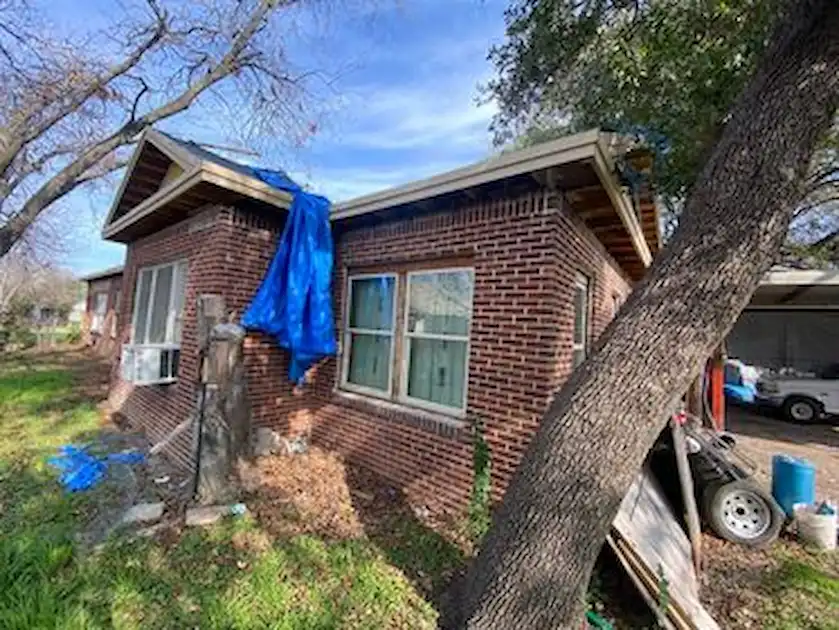
If you’re dealing with code violations, open permits, or a failed home inspection in Texas, you’re probably wondering if you can even sell your house at all. The short answer is yes, you can sell a house with code violations or failed inspections in Texas. But the process and your options depend on the type of violations, their severity, and how you choose to sell.
Many homeowners facing this situation assume they’re stuck. They think they have to fix everything, go through expensive repairs, deal with code enforcement, and spend months (or years) getting the house into sellable condition. That’s one path, but it’s not the only one.
The reality is that thousands of houses sell every year in Texas with unresolved code violations, open permits, unpermitted additions, and inspection failures. The key is understanding what you’re dealing with, what your options are, and which path makes the most sense for your situation.
This guide walks you through everything you need to know about selling a house with code violations or failed inspections in Texas. We’ll cover the types of violations, how they affect your ability to sell, your legal options, and when selling “as-is” to a cash buyer makes more sense than trying to fix everything yourself.
What You’ll Learn:
- → 7 Key Facts About Selling With Code Violations
- → What Are Code Violations and Failed Inspections?
- → Common Types of Code Violations in Texas
- → How Violations Affect Your Ability to Sell
- → Your 5 Options for Selling With Violations
- → Can You Legally Sell “As-Is” With Code Issues?
- → Real Scenarios: Different Violation Types
- → Key Takeaways: What You Need to Know
- → Frequently Asked Questions About Selling With Code Violations
- → Ready to Explore Your Options
Key Facts About Selling With Code Violations
Before we dive into the details, here’s what you need to know about selling a house with code violations or failed inspections in Texas:
- Yes, you can sell – Code violations don’t legally prevent you from selling your house in Texas. You can sell with violations, but you must disclose them to potential buyers.
- Disclosure is required – Texas law requires you to disclose known code violations, open permits, and failed inspections. Failing to disclose can lead to lawsuits after closing.
- Traditional buyers will negotiate or walk – Most conventional buyers will either demand repairs, ask for price reductions, or walk away entirely when violations are discovered during inspection.
- Lenders may refuse to finance – Many mortgage lenders won’t approve loans for houses with active code violations, open permits, or major inspection failures. This eliminates most traditional buyers.
- Code enforcement liens transfer with the property – If your city or county has placed a lien for unresolved violations, that lien stays with the property until it’s paid, even if the house sells.
- Fixing everything is expensive and time-consuming – Resolving code violations often requires permits, licensed contractors, inspections, and months of work. Costs can range from hundreds to tens of thousands of dollars.
- Selling “as-is” to a cash buyer is a viable option – Cash buyers purchase houses with violations all the time. They don’t need lender approval, don’t require repairs, and can close quickly, even with active code enforcement cases.
Read on for the full details about each type of violation and what your options actually look like.
What Are Code Violations and Failed Inspections?
Code violations and failed inspections are two related but distinct issues that can affect your ability to sell your house in Texas.
Code violations occur when your property doesn’t comply with local building codes, zoning ordinances, or municipal regulations. These can be reported by neighbors, discovered during inspections, or identified by code enforcement officers during routine checks. Once a violation is cited, the city or county typically gives you a deadline to fix it. If you don’t comply, they can issue fines, place liens on the property, or, in extreme cases, pursue legal action.
Failed inspections happen when a professional home inspector examines the property (usually during a sale) and identifies issues that don’t meet current building codes or safety standards. These failures don’t carry the same legal weight as official code violations, but they often kill deals because buyers either walk away or demand major repairs and price reductions.
The key difference is that code violations are official enforcement actions by local government, while failed inspections are private assessments that affect buyer confidence and financing approval. Both can complicate selling your house, but neither makes it impossible.
In Texas, code enforcement is handled at the city or county level, so the specific rules, timelines, and consequences vary depending on where your property is located. Grayson County code enforcement operates differently from Collin County or McLennan County, though the general principles are similar across the state.
Common Types of Code Violations in Texas
Understanding what you’re dealing with is the first step to figuring out your options. Here are the most common code violations and inspection failures we see in Texas:
Unpermitted additions and renovations are extremely common. Someone built a garage, added a bedroom, enclosed a patio, or finished a basement without pulling the required permits. These additions may have been done years or decades ago, possibly by a previous owner. The work might be perfectly safe and well-constructed, but without permits and inspections, it’s technically a code violation.
Open permits occur when someone starts work, pulls a permit, but never finishes the project or fails to obtain the final inspection. The permit remains “open” in the city’s system indefinitely. This often happens with HVAC replacements, electrical work, or structural repairs, where the contractor completed the work but never requested the final inspection.
Electrical code violations include outdated wiring, missing GFCI outlets in kitchens and bathrooms, uncovered junction boxes, improper connections, or panels that don’t meet current code. Many older Texas homes have electrical systems that were legal when installed but no longer meet today’s standards.
Plumbing violations include illegal drain configurations, missing clean-outs, improper venting, cross-connections between potable and non-potable water, or unpermitted fixture installations. Failed backflow-prevention devices are also standard, especially in areas with irrigation systems.
HVAC issues often include systems installed without permits, ductwork that doesn’t meet code, missing return air, improper venting for gas appliances, or units that aren’t adequately sized for the home.
Structural violations include foundation issues, load-bearing walls removed without proper support, roof framing that doesn’t meet code, or additions that weren’t engineered correctly. These are often the most expensive to fix.
Exterior violations include things like overgrown vegetation, junk or debris in the yard, fences that don’t meet height or setback requirements, sheds built too close to property lines, or properties that violate HOA covenants (which can sometimes escalate to code enforcement).
Safety hazards include missing handrails on stairs, windows without proper egress in bedrooms, missing smoke or carbon monoxide detectors, or exposed wiring. These are often flagged during inspections, even if code enforcement hasn’t cited them.
Zoning violations occur when a property is used in a way that doesn’t match its zoning designation. Running a business from a residential property, having too many unrelated occupants, or short-term rental violations are common examples.
The severity and implications of these violations vary widely. Some are easy and cheap to fix. Others require thousands of dollars, licensed contractors, and months of work. Understanding which category your violations fall into helps you determine the best path forward.
How Violations Affect Your Ability to Sell
Code violations and failed inspections affect the sale of your house in several specific ways, and the impact varies depending on how you’re trying to sell.
Disclosure requirements are non-negotiable in Texas. The Texas Residential Property Disclosure Notice requires sellers to disclose known defects and issues, including code violations, open permits, and previous inspection failures. If you know about the problem, you must tell potential buyers. Failing to disclose can result in lawsuits after closing, even if the buyer initially agreed to buy “as-is.”
Buyer financing problems are where most traditional sales fall apart. Most mortgage lenders require the property to meet specific minimum standards before they’ll approve the loan. Active code violations, open permits, and major inspection failures often trigger lender denial. FHA loans are particularly strict about requiring repairs before closing. This means that even if a buyer wants to purchase your house with violations, their lender may refuse to finance the deal.
Buyer negotiation leverage shifts heavily in the buyer’s favor when violations are discovered. Traditional buyers who are willing to move forward despite violations will typically demand one of three things: you fix everything before closing, you provide a credit at closing to cover repairs, or you substantially reduce the price. Many buyers walk away entirely rather than deal with the complications.
Title company concerns can delay or block sales. Some title companies are reluctant to insure properties with active code enforcement cases or open permits because they may expose them to potential liability. If your title company won’t provide clear title insurance, buyers typically won’t proceed.
Code enforcement liens are legal claims against your property that must be paid before or at closing. If your city or county has placed a lien for unpaid fines or violation abatement costs, that lien amount will be deducted from your sale proceeds. In some cases, the lien amount can exceed the property’s value, making a traditional sale impossible.
Time on market increases significantly for properties with disclosed violations. Traditional buyers are cautious; their agents often advise them to avoid properties with code issues, and the pool of qualified buyers shrinks dramatically. Houses with violations usually sit on the market for months longer than comparable properties without problems.
Appraisal problems can kill deals even when you find a willing buyer. If the appraiser notes code violations, unpermitted work, or safety hazards, the appraisal may come in lower than the contract price, or the lender may require repairs before funding the loan.
The good news is that none of these issues prevents you from selling. They change your strategy and often point toward selling to a cash buyer who can work around these complications
Your 5 Options for Selling With Violations
You're not stuck just because you have code violations or a failed inspection. Here are your five main options, each with different timelines, costs, and outcomes:
Option 1: Fix Everything and Sell Traditionally
How it works:
You hire licensed contractors, pull any missing permits, complete all required repairs, pass all inspections, resolve all violations, and then list the house with a real estate agent for top dollar.
Advantages:
You'll get the highest possible sale price. Your pool of potential buyers includes anyone who can qualify for financing. You avoid selling at a discount.
When this works:
You have the money to pay for repairs upfront (typically $5,000 to $50,000+, depending on violations). You have the time to manage the process (3-6 months or more). The violations are straightforward to fix. The property's value justifies the investment.
When this doesn't work:
You can't afford the upfront repair costs. You need to sell quickly. The violations are complex or expensive (like foundation issues or major structural work). You owe more than the house is worth. You don't have time to deal with contractors, permits, and inspections.
Option 2: Sell "As-Is" Through a Traditional Agent (With Full Disclosure)
How it works:
You list the house with a real estate agent, disclose all known violations and inspection failures in writing, price the property below market to reflect the issues, and hope to find a buyer willing to take on the problems.
Advantages:
You might get more than a cash buyer would offer. You're not responsible for fixing anything. You work with a licensed agent who handles the marketing.
When this works:
The violations are relatively minor. The property is in a desirable area where investors are actively buying. You're willing to accept 10-30% below market value. You can wait several months for the right buyer.
When this doesn't work:
The violations are severe or expensive to fix. You need to sell quickly. You owe close to what the house is worth (so a 20-30% discount puts you underwater). The market is slow, and buyers are cautious.
Option 3: Negotiate Repairs or Credits at Closing
How it works:
You list the house traditionally, a buyer makes an offer, the inspection reveals violations or issues, and you negotiate either to make specific repairs before closing or to provide a credit that reduces the buyer's purchase price.
Advantages:
You only fix what the buyer requests explicitly. You might avoid having to fix everything. The deal can still close if you reach an agreement.
When this works:
The violations are minor and inexpensive to address. You have some cash available for repairs or can afford to reduce your net proceeds. The buyer is motivated and reasonable. You're working with an experienced agent who can negotiate effectively.
When this doesn't work:
The violations are extensive or expensive. The buyer's lender requires specific repairs that you can't afford. Multiple inspection items pile up, and the buyer walks away. You're already priced at the low end and can't afford further reductions.
Option 4: Apply for a Variance or Bring Property Into Compliance
How it works:
For certain violations, especially those involving unpermitted additions or zoning issues, you can sometimes apply for a variance, get the work retroactively permitted, or bring the property into compliance without entirely tearing out and redoing the work.
Advantages:
This can be cheaper than complete remediation. It resolves the legal violation. It makes the property financeable again.
When this works:
The violation is technical rather than safety-related. The work was done competently, just without permits. Your local code enforcement is willing to work with you. You have time to navigate the process (often 2-4 months).
When this doesn't work:
The work doesn't meet current code and can't be grandfathered in. Safety issues exist that require full correction. The city won't grant variances for your specific situation. You don't have time for the bureaucratic process.
Option 5: Sell to a Cash Buyer Who Purchases With Violations
How it works:
You contact a cash home buyer (like us), provide details about the violations and inspection failures, receive a cash offer that accounts for the issues, and close in 7-14 days without making any repairs.
Advantages:
Fastest option (can close in as little as 7-10 days). No repairs required. No financing contingencies (cash buyers don't need lender approval). No risk of deals falling through due to violations. You avoid paying for permits, contractors, and inspections. Certainty of closing.
When this works:
You need to sell quickly. You can't afford repair costs. The violations are expensive or complex to fix. You don't want to manage contractors and permits. You're willing to accept 70-85% of retail value in exchange for speed, certainty, and avoiding repairs.
When this doesn't work:
You have plenty of time and money to fix everything. You want absolutely top dollar and are willing to wait months. The property is in perfect condition except for very minor violations.
The Reality Check
Most homeowners facing code violations end up choosing Option 1 (fix everything) or Option 5 (sell to a cash buyer). Options 2, 3, and 4 sound good in theory, but often don't work in practice because traditional buyers and their lenders are risk-averse when it comes to code issues.
The decision usually comes down to: Do you have the time, money, and willingness to fix everything? If yes, Option 1 gets you top dollar. If not, Option 5 gets you out quickly without the headache.
We've bought houses in Sherman, Plano, and Waco with everything from unpermitted additions to active code enforcement cases to failed inspections. In most cases, homeowners were relieved to have a straightforward path to selling without spending months and thousands of dollars on repairs they couldn't afford.
Can You Legally Sell "As-Is" With Code Issues?
Yes, you can legally sell a house “as-is” in Texas even with active code violations, open permits, or failed inspections. No Texas law prevents you from selling a property in its current condition, regardless of code compliance status.
However, “as-is” doesn’t mean “without disclosure.” You’re still required under Texas law to disclose all known material defects, including code violations, unpermitted work, open permits, and any issues discovered during previous inspections. The disclosure must be in writing, typically using the Texas Residential Property Disclosure Notice form.
What “as-is” actually means is that you’re selling the property in its current condition, and you’re not agreeing to make any repairs before closing. The buyer accepts the property with all its faults, defects, and violations. But the buyer still has the right to inspect, and they must still be told about any problems you know about.
The practical limitation isn’t legal, it’s financial. Most traditional buyers can’t purchase a house with significant code violations because their mortgage lender won’t approve the loan. FHA, VA, and most conventional mortgages require the property to meet minimum standards. Active code violations, unpermitted additions, and major inspection failures typically don’t meet those standards.
This is why “as-is” sales with code violations almost always go to cash buyers. Cash buyers don’t need lender approval, so financing requirements do not limit them. They can close on a property in any condition as long as they’re properly informed about what they’re buying.
Code enforcement liens are a separate issue. If your city or county has placed a lien on the property for violation-related fines or abatement costs, that lien must be satisfied at closing. The lien amount will be deducted from your proceeds. You can’t sell the property free and clear without paying off the lien, even in an “as-is” sale.
Title insurance considerations matter here, too. Some title companies are reluctant to insure properties with active code enforcement cases because they represent potential future liability. If you can’t get clear title insurance, most buyers won’t proceed, even cash buyers. However, experienced cash buyers who regularly purchase distressed properties usually have relationships with title companies that will work through these issues.
The bottom line: Yes, you can sell as-is with code violations in Texas. You need to find the right buyer, disclose everything correctly, and be prepared to settle any liens at closing.
Real Scenarios: Different Violation Types
Let's look at real examples of how different code violations play out when you're trying to sell:
Scenario 1: Unpermitted Addition Built 20 Years Ago
Your situation:
The previous owner added a bedroom and bathroom in 1995 without pulling permits. The work is solid, the addition has been there for decades, and you didn't even know it was unpermitted until a buyer's inspector mentioned it.
If you try to sell traditionally:
The buyer's lender requires proof that the addition was permitted. You contact your city and discover there's no record of permits. The lender refuses to approve the loan. The deal falls through. The next three buyers have the same problem.
If you fix it first:
You hire an engineer to evaluate the addition, apply for retroactive permitting, make any corrections required to meet current code, pay permit fees, wait for inspections, and eventually get sign-off. This process takes 4-6 months and costs $8,000-$15,000.
If you sell to a cash buyer:
You disclose the unpermitted addition. The cash buyer factors it into their offer (usually a 10-15% discount). You close in 10 days. The buyer deals with permitting after closing or leaves it as-is.
Scenario 2: Active Code Enforcement Case for Exterior Violations
Your situation:
Your neighbor complained about your overgrown yard and junk in the driveway. Code enforcement issued a notice requiring you to clean up the property within 30 days. You cleaned some of it, but not all of it. The city issued fines. You haven't paid them. The penalties are accruing daily.
If you try to sell traditionally:
Buyers are scared off by the active code case. The city has placed a lien for unpaid fines ($3,500 and growing). The title company flags the lien. Buyers walk away.
If you fix it first:
You clean up the entire property, pay all fines, request a re-inspection, and get the case closed. Costs: cleanup expenses plus accumulated fines, totaling $2,000-$5,000. Timeline: 2-3 months to resolve everything.
If you sell to a cash buyer:
The buyer reviews the code case. The lien amount ($3,500) is deducted from the purchase price at closing. The buyer takes over property cleanup after closing. You close in 7-10 days.
Scenario 3: Failed Inspection Due to Electrical and Plumbing Issues
Your situation:
You listed with an agent. A buyer made an offer. The inspection revealed outdated electrical (no GFCI outlets, uncovered junction boxes), plumbing violations (illegal drain configurations, missing vents), and HVAC issues (ductwork not to code). The inspection report was 47 pages long.
If you negotiate repairs:
The buyer wants everything fixed before closing. You get quotes: $12,000 for electrical, $8,000 for plumbing, $4,000 for HVAC. You can't afford it. You offer a $10,000 credit instead. The buyer's lender says the safety issues must be fixed, not just credited. Deal dies.
If you try the next buyer:
Same thing happens. Inspection reveals the same issues. Next buyer walks. The third buyer walks. The house has been on the market for 6 months.
If you sell to a cash buyer:
You send the inspection report to the cash buyer. They review it, provide an offer that accounts for $25,000-$30,000 in needed repairs. You net less than you hoped, but you close in two weeks and avoid spending money you don't have on repairs.
Scenario 4: Open Permit From the Previous Owner's HVAC Replacement
Your situation:
You bought the house two years ago. During your sale process now, the title company discovers an open permit from 2018 for HVAC replacement. The previous owner never got the final inspection. The permit has been open for 8 years.
If you try to sell traditionally:
Lenders see the open permit. They require it to be closed before funding the loan. You contact the original HVAC company. They're out of business. You hire a new company to evaluate the system and call for inspection. The inspector finds the installation doesn't meet current code. You must upgrade the system. Cost: $6,000. Timeline: 1-2 months.
If you sell to a cash buyer:
You explain the situation. The cash buyer verifies that the HVAC system works. They factor in the cost of closing the permit or replacing the system into their offer. You close without dealing with permits.
The Pattern:
Traditional sales require violations to be resolved before closing. This costs money and time you may not have. Cash buyers regularly purchase properties with violations. They account for the issues in their offer price and handle remediation after closing. It's a trade-off: lower price in exchange for speed and not having to fix anything yourself.
Key Takeaways: What You Need to Know
If you’re trying to sell a house with code violations or failed inspections in Texas, here’s what you need to remember:
- You can legally sell your house with code violations – There’s no law preventing it, but you must disclose all known issues to buyers in writing.
- Traditional buyers will struggle to get financing – Most mortgage lenders won’t approve loans for houses with active code violations, open permits, or major inspection failures.
- Fixing everything is expensive and time-consuming – Resolving code violations typically requires licensed contractors, permits, inspections, and months of work. Costs range from hundreds to tens of thousands of dollars.
- “As-is” doesn’t mean “without disclosure” – You still must tell buyers about known violations, even when selling as-is. Failure to disclose can result in lawsuits after closing.
- Code enforcement liens must be paid at closing – If your city or county placed a lien for violation-related fines, that amount will be deducted from your sale proceeds.
- You have five realistic options – Fix everything and sell traditionally, list as-is with an agent, negotiate repairs with buyers, apply for variances, or sell to a cash buyer who purchases with violations.
- Cash buyers are often the practical solution – When you can’t afford repairs, need to sell quickly, or the violations are complex, selling to a cash buyer eliminates the financing obstacle that kills most traditional sales.
- Different violations have different impacts – Unpermitted additions, open permits, electrical violations, and plumbing issues all affect sales differently. Understanding what you’re dealing with helps you choose the best path forward.
- Time is money when code enforcement is involved – Active code cases often include fines that accrue daily. The longer you wait, the more you owe.
- Full disclosure protects you legally – Being upfront about violations may reduce your sale price, but it also prevents lawsuits and protects you from fraud claims after closing.
The bottom line: Code violations and failed inspections complicate sales, but they don’t make selling impossible. Your best option depends on your timeline, budget, and willingness to manage contractors and permits. For many homeowners, selling to a cash buyer who handles everything after closing is the most realistic path forward.
Not Sure What Home is Worth?
Use our free home value calculator to get an instant cash offer estimate for your property. No personal information required; see your estimated offer in 60 seconds.
Calculate My Home ValueFree • No Obligation • Instant Results
Frequently Asked Questions About Selling With Code Violations
Can you sell a house with code violations in Texas?
Yes, you can legally sell a house with code violations in Texas. No state law prevents you from selling a property that has active code violations, open permits, or failed inspections. However, you must disclose all known violations to potential buyers in writing, typically using the Texas Residential Property Disclosure Notice.
The challenge isn’t the legality of selling; it’s finding a buyer who can close. Most traditional buyers need mortgage financing, and most lenders won’t approve loans for houses with active code violations, unpermitted additions, or major safety issues. FHA loans are particularly strict about requiring repairs before closing. This means even if a buyer wants your house, their lender may refuse to fund the purchase.
This is why most houses with code violations end up selling to cash buyers. Cash buyers don’t need lender approval so they can purchase properties in any condition. They factor the cost of resolving violations into their offer price and handle remediation after closing. You’ll typically receive 70-85% of retail value, but you avoid the time and expense of fixing everything yourself.
The key requirements are full disclosure (hiding violations can result in lawsuits after closing) and the settlement of any code enforcement liens at closing (the lien amount will be deducted from your proceeds). As long as you’re honest about the property’s condition and work with the right buyer, you can sell a house with code violations.
What is a code violation?
A code violation occurs when your property doesn’t comply with local building codes, zoning ordinances, or municipal regulations. In Texas, code enforcement is handled at the city or county level, so specific rules vary by location, but the concept is the same statewide.
Code violations can include unpermitted additions or renovations (work done without required permits), open permits (work started but never finalized with inspections), electrical or plumbing work that doesn’t meet current code, structural issues like improperly removed load-bearing walls, exterior problems like overgrown vegetation or illegal fencing, safety hazards such as missing handrails or smoke detectors, and zoning violations like running a business from a residential property.
Violations are typically discovered in one of three ways: a neighbor files a complaint with code enforcement, a home inspector identifies issues during a property sale, or a code enforcement officer spots problems during routine inspections. Once cited, you’ll receive a notice specifying the violation and setting a deadline to fix it, usually 30-90 days, depending on severity.
The key difference between code violations and failed home inspections is that code violations are official enforcement actions by local government that can result in fines and liens. In contrast, failed inspections are private assessments that affect buyer confidence but don’t carry legal penalties. Both can complicate selling your house, but neither makes it impossible.
What happens if property owners fail to comply with code violations?
If you fail to comply with code violations in Texas, the consequences escalate over time and can become serious. Here’s what typically happens:
First, after your initial deadline passes, the city or county will issue a second notice and often schedule a re-inspection. If you still haven’t addressed the violation, they’ll begin issuing fines, which in Texas can range from $50 to $2,000 per day depending on the violation’s severity and your municipality’s ordinances. These fines accumulate daily until the violation is resolved.
If fines remain unpaid, the city or county can place a lien on your property. This lien must be paid before you can sell or refinance, and the amount will be deducted from your sale proceeds at closing. In extreme cases, particularly with safety hazards or chronic violations, the property can be declared uninhabitable, and you may be required to vacate.
For serious violations that create immediate safety hazards, code enforcement can obtain a court order requiring compliance. Continued non-compliance can result in the city performing the work itself and billing you for the cost, plus administrative fees. In rare cases, chronic violators may face misdemeanor criminal charges.
The financial impact compounds over time. A violation that might cost $2,000 to fix initially can grow to $10,000 or more once you factor in accumulated fines, liens, and increased remediation costs. This is why addressing violations promptly, or selling to a cash buyer who purchases with violations, is almost always more cost-effective than ignoring the problem.
If you’re facing code violations and can’t afford to fix them, selling to a cash buyer before fines accumulate is often the best option. The lien amount (if any) will be deducted at closing, and you will avoid further penalties and resolve the situation quickly.
Should property owners address code violations promptly?
Yes, property owners should address code violations as quickly as possible, but “address” doesn’t necessarily mean “fix everything yourself.” Acting promptly means evaluating your options and choosing a path forward before fines accumulate and the situation becomes more expensive.
If you plan to keep the house long-term, fixing violations promptly is critical. The longer you wait, the more you’ll pay in fines (which can accrue daily), the higher the risk of liens being placed on your property, and the more complicated remediation becomes. Many code enforcement offices will work with you on timelines if you demonstrate a good-faith effort and communicate regularly.
However, if you’re planning to sell anyway, spending thousands on repairs may not make financial sense. In this case, “addressing promptly” means selling before fines escalate. Getting a cash offer early in the process, when you’re 30-60 days into a code case rather than 6-12 months, can save you substantial money because the lien amount deducted at closing will be smaller.
The worst thing you can do is ignore code violations entirely. Homeowners who bury their heads in the sand often end up with $5,000- $15,000 in accumulated fines deducted from their sale proceeds, on top of the violation itself. The same contravention addressed within 60 days might have cost $500 in fines, whereas waiting a year could cost $10,000+.
Consider your situation: if you have the time and money to fix violations and plan to keep the house, act fast to minimize fines. If you need to sell quickly or can’t afford repairs, contact cash buyers immediately to get offers while your lien amount is still manageable. Either way, taking action within the first 30-60 days of receiving a violation notice will save you money compared to waiting.
Do I have to fix code violations before selling my house?
No, you don’t have to fix code violations before selling your house in Texas. You can sell a property with active violations, open permits, or inspection failures as long as you adequately disclose them to buyers. Texas law requires disclosure but doesn’t require remediation before sale.
The practical reality is that your buyer pool shrinks dramatically when violations are present. Traditional buyers who need mortgage financing will typically struggle because most lenders; especially FHA and VA loans; require properties to meet minimum standards before approving loans. When lenders see active code violations or unpermitted work, they often deny the loan or require repairs before closing.
This leaves you with three realistic options: fix everything yourself before listing (expensive and time-consuming but gets you top dollar), try to find a conventional buyer willing to take on the violations (rare, and they’ll demand significant price reductions), or sell to a cash buyer who purchases with violations (fastest option, typically 70-85% of retail value).
Most homeowners who can’t afford to fix violations or don’t have 3-6 months for the repair process choose to sell to cash buyers. The cash buyer factors repair costs into their offer, handles all remediation after closing, and closes in 7-14 days regardless of the property’s condition. You net less than you would if you’d fixed everything and sold traditionally, but you avoid upfront costs and the uncertainty of whether traditional buyers will actually close.
If you have code enforcement liens for unpaid fines, they must be satisfied at closing, regardless of the option you choose. The lien amount will be deducted from your proceeds. But the underlying violations themselves don’t have to be fixed before you sell; they just have to be disclosed, and you need to find a buyer who can work around them.
What are unpermitted additions and can I sell a house with them?
Unpermitted additions are improvements made to a property without obtaining required building permits from the local government. Common examples include adding bedrooms or bathrooms, enclosing patios or garages, finishing basements, room additions, decks, and major renovations. These additions may have been completed decades ago, possibly by previous owners, and you might not even know they’re unpermitted until a buyer’s inspection reveals the issue.
Yes, you can sell a house with unpermitted additions in Texas, but you must disclose them to potential buyers. The challenge is that most mortgage lenders won’t approve loans for houses with significant unpermitted work because they can’t verify that the work meets building codes and safety standards. This eliminates most traditional buyers from your pool.
You have several options for handling unpermitted additions when selling. You can apply for retroactive permits by hiring an engineer to evaluate the work, make any necessary corrections to meet current code, and complete the formal permitting process. This typically costs $5,000-$15,000 and takes 3-6 months. Alternatively, you can disclose the unpermitted work and sell to a buyer who accepts the property as-is, though this limits you primarily to cash buyers and results in offers 10-20% below market value.
The cost and feasibility of retroactive permitting depend on whether the work was done correctly and meets current code. Work that was done well by competent contractors (just without permits) is often easier to get retroactively permitted. Work that doesn’t meet current code may require expensive modifications or even partial demolition and rebuilding.
Many homeowners with unpermitted additions choose to sell to cash buyers who purchase properties in any condition. The cash buyer factors the permitting issue into their offer price and either obtains permits after closing or leaves the addition as-is. This avoids the time and expense of dealing with permits yourself while still allowing you to sell and move on.
How much does it cost to fix code violations?
The cost to fix code violations in Texas varies dramatically depending on the type and severity of violations. Simple violations, such as missing smoke detectors or handrails, might cost $100- $500 to address. Mid-range violations such as electrical upgrades (adding GFCI outlets, covering junction boxes) typically run $2,000-$8,000, while plumbing corrections (fixing illegal drain configurations, adding proper venting) range from $1,500-$10,000.
More expensive violations include HVAC work (replacing non-compliant systems, fixing ductwork) at $3,000-$12,000, structural repairs (foundation issues, improperly removed load-bearing walls), which can cost $5,000-$50,000+, and retroactive permitting for unpermitted additions at $5,000-$25,000 depending on the scope of work and required corrections.
Beyond the direct repair costs, you’ll also face permit fees ($200-$2,000 depending on work scope), inspection fees ($100-$500 per inspection), engineering or architectural evaluations if required ($1,000-$5,000), and code enforcement fines that may have already accumulated ($50-$2,000 per day in many Texas cities).
The total cost to bring a property into full compliance often ranges from $3,000 for minor issues to $30,000-$75,000 for houses with multiple serious violations or expensive structural problems. Time is also a cost factor; resolving violations typically takes 2-6 months from start to finish, including contractor scheduling, permit approval, work completion, and final inspections.
Many homeowners discover that fixing violations costs more than their expected profit from selling. For example, if your house sells for $200,000 in perfect condition, but you owe $180,000 on the mortgage and face $25,000 in violation-related repairs, you’d walk away with nothing or even owe money at closing. In these situations, selling as-is to a cash buyer for $140,000- $160,000 (with no repairs required) often nets more than the traditional route.
Before investing in repairs, get multiple contractor quotes, understand the full scope, including permits and inspections, and compare the after-repair sale price to what a cash buyer would offer as-is. Sometimes the math favors fixing; often it doesn’t.
Will a title company issue insurance for a house with code violations?
Title companies can issue insurance for houses with code violations, but some are reluctant to do so, and the decision depends on the type and severity of the violations. The concern is whether code violations create liens or future liability that could affect the property’s title.
If your property has active code enforcement cases with unpaid fines, the city or county may have already placed a lien on it. Title companies will require this lien to be paid at closing before issuing clear title insurance. The lien amount will be deducted from your sale proceeds. This is standard procedure and doesn’t typically prevent the sale; it just means less money in your pocket at closing.
For properties with violations that haven’t yet resulted in liens, most title companies will still issue insurance but may add exceptions or endorsements to the policy. They’ll note that the buyer is accepting the property with known code violations and that the title company isn’t liable for future enforcement actions. This protects the title company while still allowing the sale to proceed.
The bigger challenge is often buyer financing rather than title insurance itself. Even if a title company is willing to insure, mortgage lenders typically won’t fund loans for properties with active code violations. This is why most houses with code issues end up selling to cash buyers; they don’t need lender approval, so title insurance is the only hurdle, not financing.
Experienced cash buyers who regularly purchase distressed properties often have relationships with title companies that routinely handle properties with code violations. These title companies understand the process, know how to structure the closing to properly handle liens and disclosures, and can move transactions forward efficiently.
If you’re selling a property with code violations, your real estate attorney or the buyer’s title company will review the specific violations, determine whether any liens exist, and structure the closing to address them. In most cases, violations don’t prevent title insurance; they just require additional documentation and settlement of any outstanding fines at closing.
Additional Resources on Code Violations and Building Permits
If you're dealing with code violations or unpermitted work, these trusted resources provide additional information on building codes, permits, and your legal obligations:
-
Texas Attorney General - Building and Remodeling
Official guide to Texas building codes, permits, contractor requirements, and homeowner rights. -
Texas Department of Licensing and Regulation - Homeowner Resources
Information on licensed contractors, filing complaints, and understanding building code requirements in Texas. -
International Code Council - Building Codes
Access to the International Building Code (IBC) that Texas municipalities use as the basis for local building codes. -
Texas Law Help - Code Enforcement
Free legal information about code enforcement proceedings, violations, fines, and your rights as a property owner.
Ready to Sell Your House for Cash?
Get your no-obligation cash offer today. No pressure, no hassle, no games.