
How to Sell Inherited Property in Texas: Complete Guide (2026)
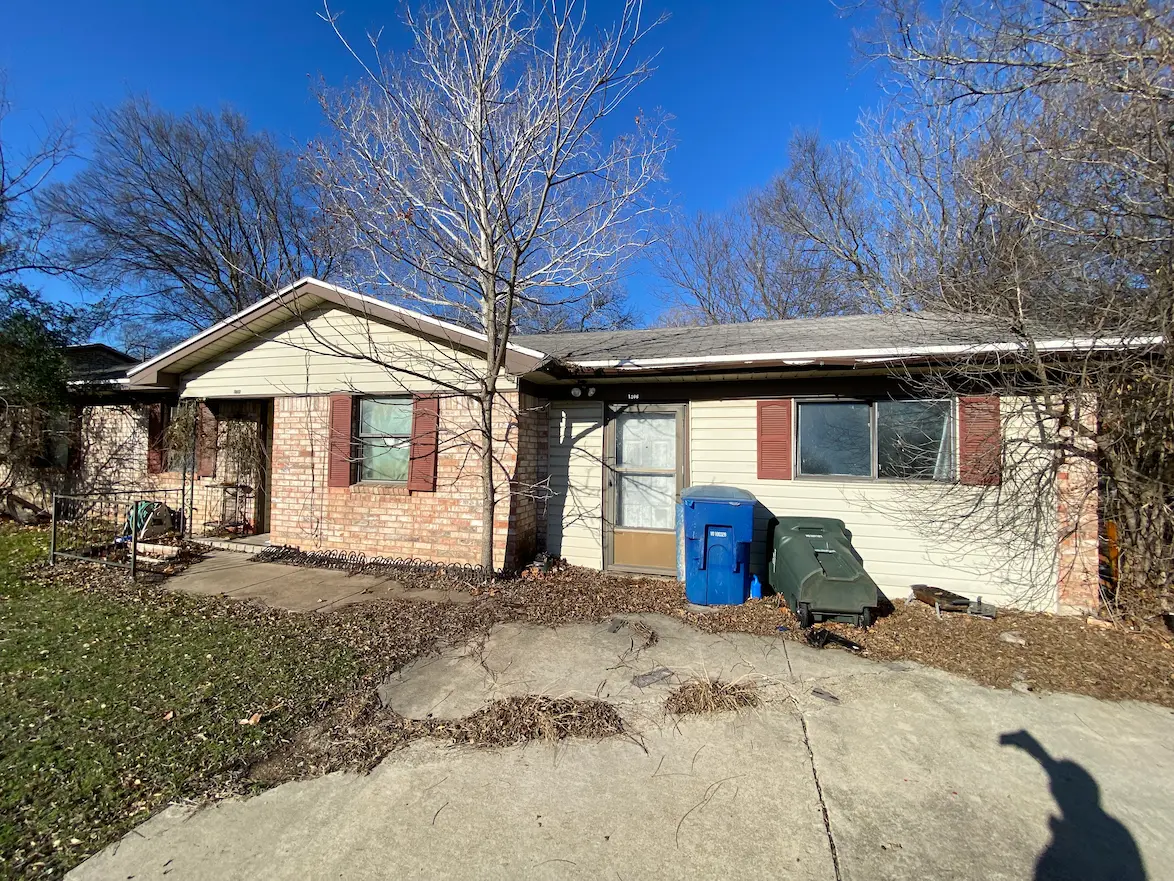
Inheriting a house should feel like a gift, but for many Texas families wondering how to sell inherited property in Texas, it becomes a source of stress. You’re grieving while shouldering property taxes, maintenance, and unexpected legal decisions. The house may be far away, need costly repairs, or cause family disagreements.
If you’re feeling overwhelmed, remember you’re not alone, and it’s natural to want to sell. Many people find this process difficult, and seeking solutions is a positive step.
Many inherited properties become burdens instead of blessings. The home may be too far, too costly, or mired in family disagreements. Some heirs face unexpected challenges, such as back taxes, outdated systems, or structural issues that make traditional sales difficult.
This guide covers everything you need to know about selling inherited property in Texas. You’ll learn how probate works, the tax implications, how to handle multiple heirs, and your options, including fast-cash sales without repairs or fees. Whether in Grayson County, Dallas County, or elsewhere in North and Central Texas, understanding your options is the first step to the right decision.
What You’ll Learn:
- → 7 Key Facts About Selling Inherited Property in Texas
- → Understanding the Probate Process in Texas
- → Ways to Avoid or Simplify Probate in Texas
- → What to Do First When You Inherit a House in Texas
- → Tax Implications of Selling Inherited Property in Texas
- → Selling an Inherited House with Multiple Heirs
- → Common Challenges When Selling Inherited Property
- → Your Options for Selling an Inherited House in Texas
- → Why Cash Buyers Make Inherited Property Sales Easier
- → Real Examples: How Texas Families Sold Inherited Properties
- → Key Takeaways
7 Key Facts About Selling Inherited Property in Texas
Texas has NO state inheritance tax. You won't owe the state anything just for inheriting property, making Texas one of the most heir-friendly states in the country.
Most inherited properties require probate, but alternatives like affidavit of heirship, small estate affidavit, and transfer-on-death deeds may simplify or speed up the process.
You receive a "stepped-up basis" for capital gains tax purposes. This means your tax basis is the property's value at the time of death, not what the deceased originally paid, often saving thousands in taxes.
If the deceased had no will, Texas intestate succession laws determine who inherits. All heirs must agree to sell, which can complicate the process when family members have different priorities.
You have up to 4 years from the date of death to file for probate in Texas. However, waiting creates complications, including continued property tax liability, maintenance costs, and potential title issues.
Inherited property often comes with surprise issues. Back taxes, deferred maintenance, outstanding mortgages, or liens must be addressed before selling, and these problems aren't always immediately apparent.
Cash buyers can purchase inherited properties in as little as 7 days across Grayson County, Collin County, and Dallas County, even during or before probate is complete, with court approval, eliminating months of carrying costs.
Understanding the Probate Process in Texas
Probate is the legal process that validates a will and transfers ownership of assets from the deceased to their heirs. If you’ve inherited property in Texas, understanding probate is essential because it directly affects when and how you can sell.
The probate process validates the will, appoints an executor or administrator, ensures debts and taxes are paid, and provides a framework for transferring property titles. Probate can feel slow, but it protects heirs and creditors through a transparent, court-supervised process.
In Texas, probate is required in most cases unless the property was held in a trust or had a transfer-on-death deed filed before the owner passed away. Without probate or an alternative like an affidavit of heirship, you won’t be able to sell the property because you can’t prove clear ownership to a title company or buyer.
How Long Does Probate Take in Texas?
The Texas probate timeline varies. A straightforward estate with a clear will and no disputes usually takes six months to a year. Organized estates, cooperative heirs, and experienced attorneys move things faster.
Complex estates take longer. No will, multiple heirs, contested claims, or complicated assets can push probate to two years or more. Estates with property in multiple counties, business interests, or debts add complexity and delay.
During probate, you must maintain the property, pay taxes, and keep insurance current. These costs add up, so many heirs expedite probate or sell with court approval.
The Texas Probate Timeline
Understanding the step-by-step probate process helps you plan for what’s ahead. The process begins when someone files a probate application with the county court where the deceased lived. In Texas, you have up to four years from the date of death to file, but starting sooner is almost always better.
After filing, the court posts a public notice for about two weeks, alerting creditors and interested parties. After this period, the court holds a hearing to validate the will and appoint an executor or administrator.
The executor inventories all assets, notifies creditors, and allows them time to submit claims. This period is critical, as creditors have a limited time to file against the estate.
The executor pays debts, taxes, and expenses. Afterward, remaining assets go to heirs per the will or Texas law. For real estate, the executor prepares and files the deed to transfer ownership.
What If There’s No Will?
When someone dies without a will in Texas, it’s called dying “intestate,” and the situation becomes more complicated. Texas intestate succession laws determine who inherits based on family relationships. The distribution follows a specific hierarchy: surviving spouse and children, then parents, then siblings, and so on.
Without a will, the court must appoint an administrator to manage the estate rather than an executor chosen by the deceased. This administrator has the same responsibilities but wasn’t personally selected by the deceased, which sometimes creates friction with family members.
Intestate probate typically takes longer than probate with a will because the court must establish who the legal heirs are and ensure all potential heirs are notified. If you’re trying to sell an inherited property and the deceased had no will, expect additional time and complexity in the process. Working with a probate attorney experienced in intestate estates becomes even more critical in these situations.
Ways to Avoid or Simplify Probate in Texas
Not every inherited property must go through complete probate. Texas law provides several alternatives that can save time, money, and stress. Understanding these options helps you choose the fastest path to selling the property.
Affidavit of Heirship
An affidavit of heirship is one of the most valuable tools for Texas heirs dealing with real estate when there’s no will. This legal document identifies the heirs of someone who died without a will, and it’s particularly valuable for estates that consist primarily of real estate.
Here’s how it works: Two disinterested witnesses who have known the deceased for at least 10 years must sign sworn statements identifying the deceased’s family members and heirs. These witnesses cannot be family members or anyone who stands to inherit. The affidavit is then filed with the county deed records in the county where the property is located.
The affidavit of heirship is significantly faster and cheaper than formal probate. While complete probate can cost several thousand dollars and take six to twelve months, an affidavit of heirship typically costs between $350 and $500 and can be completed in a few weeks. However, there’s a significant limitation to keep in mind: the affidavit doesn’t actually transfer title. Instead, it creates a legal record identifying the heirs, so a deed can be prepared transferring the property from the deceased to the heirs.
Many title companies require at least six months to pass after filing an affidavit of heirship before they’ll insure a title transfer. This waiting period gives creditors time to object if they have claims against the estate. Even with this waiting period, an affidavit of heirship is usually much faster than formal probate.
An affidavit of heirship works best for estates where the primary asset is real estate, there are no significant debts beyond what’s secured by the property itself, and all family members agree on who the heirs are. It’s not appropriate for contested estates or situations with complex creditor issues.
Small Estate Affidavit
Texas allows a simplified process called a small estate affidavit for estates valued at $75,000 or less, excluding homestead property. This alternative to complete probate can save qualifying estates considerable time and money.
To use a small estate affidavit, you must wait at least 30 days after the person’s death. All heirs must sign the affidavit agreeing to the distribution of assets. The affidavit is filed with the probate court, but unlike a complete probate, it doesn’t require extensive court proceedings or ongoing court supervision.
The small estate affidavit is filed with the court and, once approved, allows the distribution of assets without formal probate administration. It’s beneficial for modest-value estates where the costs and time of a complete probate would consume a significant portion of the estate’s value.
Muniment of Title
Muniment of title is a streamlined probate option available when the deceased left a valid will, but the estate has no debts other than those secured by real property, such as a mortgage. It’s faster and less expensive than complete probate administration.
With muniment of title, the court validates the will and authorizes the transfer of title to the beneficiaries without appointing an executor or administrator. There’s no need for ongoing court supervision or a lengthy administration process. The court simply confirms that the will is valid and orders that the property be transferred in accordance with its terms.
This option works well for straightforward estates where the deceased’s wishes are clear, all debts have been paid or are secured by the property itself, and beneficiaries aren’t fighting over the distribution. It typically takes just a few months, rather than 6 months or more, for complete probate.
Transfer-on-Death Deed
If the deceased filed a transfer-on-death deed before their death, you’ve hit the inheritance jackpot in terms of simplicity. A transfer-on-death deed, also called a TOD deed, allows property to pass directly to named beneficiaries without going through probate.
With a TOD deed in place, the beneficiary simply needs to file an affidavit of death with the county deed records after the owner passes away—the property transfers immediately without court involvement, creditor claims, or probate delays. You can typically sell the property within weeks rather than months.
The catch is that TOD deeds must be filed before death. If you’re inheriting property and the deceased didn’t set up a TOD deed in advance, this option isn’t available. However, if you’re planning your own estate, a TOD deed is one of the most effective tools for making things easier on your heirs.
Revocable Living Trust
Property held in a revocable living trust passes to beneficiaries outside of probate entirely. If the deceased person placed their real estate into a trust before death, the successor trustee can distribute the property in accordance with the trust terms without court involvement.
Trusts offer the fastest transfer of property ownership. The trustee follows the instructions in the trust document, and beneficiaries can typically take ownership within weeks. There’s no public probate process, no court supervision, and significantly more privacy than probate provides.
Like TOD deeds, trusts must be established before death. If you’re inheriting property that was in a trust, consider yourself fortunate; you’ve avoided the most time-consuming part of the inheritance process. If the property wasn’t in a trust, you’ll need to use one of the other options described above.
What to Do First When You Inherit a House in Texas
The first few weeks after inheriting property set the tone for everything that follows. Taking the proper steps early prevents problems and positions you to sell quickly when you’re ready.
Step 1: Locate the Will
Your priority is finding out whether the deceased left a will. Check with the deceased’s attorney (if they had one), look in safe deposit boxes, search the home filing system, and ask family members. The will determines who the executor is and exactly how the property should be distributed.
If a will exists, the process becomes more straightforward. If no will can be found after a thorough search, you’ll proceed under Texas intestate succession laws, which are more complex and time-consuming.
Step 2: Consult with a Probate Attorney
Even if the estate seems simple, talking with a probate attorney early saves time and money in the long run. An experienced attorney can evaluate your situation and recommend the best approach, whether that’s complete probate, an affidavit of heirship, a small estate affidavit, or a muniment of title.
The attorney can identify potential problems before they become expensive obstacles. They’ll review the property title, check for liens or judgments, and advise on the fastest legal path to selling. Most probate attorneys offer free or low-cost initial consultations, making it a low-risk way to get expert guidance.
Step 3: File for Probate or Alternative Process
Once you know your options, file the appropriate paperwork with the county court where the deceased resided. The sooner you start this process, the sooner you can legally sell the property. Remember, you can’t transfer a clear title without completing some form of legal process, whether that’s probate, an affidavit of heirship, or another alternative.
Don’t make the mistake of waiting because you’re unsure what to do. Every month you delay means another month of property taxes, insurance, maintenance costs, and potential property deterioration. Even if you’re not ready to sell immediately, getting the legal process started protects the property and preserves your options.
Step 4: Secure the Property
While the legal process unfolds, take physical control of the property. Change the locks if needed to prevent unauthorized access. Make sure homeowners’ insurance remains in effect; many policies have specific requirements when a home becomes vacant. Contact the insurance company to update them on the situation and ensure coverage continues.
If the property will sit empty for a while, consider additional security measures. Vacant homes attract break-ins, vandalism, and squatters. Regular check-ins, security systems, or even just making the property look occupied can prevent costly problems.
Step 5: Continue Basic Maintenance and Payments
Even though the property isn’t legally yours yet, you still need to maintain it. Continue paying property taxes and the mortgage, if any. Keep utilities on to prevent pipes from freezing in winter and to prevent mold and mildew from developing in the house. Basic lawn maintenance prevents code violations and keeps neighbors from complaining.
These carrying costs are precisely why many heirs choose to sell quickly rather than hold onto inherited property. The expenses add up fast, especially for older homes that need constant attention.
Step 6: Inventory and Clear Out Contents
Before you can sell the house, you need to deal with everything inside it. Document valuable items before distributing them to heirs or selling them. Consider hiring an estate sale company to handle furniture, collectibles, and other useful household items.
For items nobody wants, you’ll need to arrange donation or disposal. This process is often more emotionally complex than people expect. Sorting through a deceased loved one’s possessions brings up grief and memories. Take your time when you need to, but don’t let this step stall your progress indefinitely.
Step 7: Get a Property Assessment
Order a professional inspection to understand exactly what condition the property is in. Identify major systems that need repair or replacement: roof, HVAC, plumbing, electrical, and foundation. These findings will help you decide whether to invest in repairs for a traditional sale or sell as-is to a cash buyer.
Many heirs are surprised by what inspections reveal. That house that seemed fine during holiday visits might have serious foundation issues, a roof that needs replacing, or outdated electrical that doesn’t meet code. Getting this information early helps you make informed decisions about how to proceed.
You may also want to get an appraisal to establish fair market value. Some probate courts require this, and even if they don’t, knowing the property’s value helps you evaluate offers and make wise choices.
Step 8: Address Outstanding Debts and Liens
Search county records for liens against the property; unpaid property taxes, mechanics’ liens, judgments, or other claims must be resolved before you can transfer a clear title. Check whether a mortgage exists and confirm the current balance and payment status.
Title companies will eventually discover these issues, so finding them early gives you time to resolve them. Some can be paid from sale proceeds at closing, while others need to be negotiated or settled beforehand.
Step 9: Decide Whether to Sell
This is the moment to make a clear decision. Consider your options realistically: keeping the property as a residence or rental, or selling it to free yourself from ongoing obligations. If there are multiple heirs, this decision requires the agreement of everyone unless one heir wants to buy out the others.
If family members disagree about what to do, the situation can drag on for months or years, with property taxes and maintenance costs piling up. Sometimes the best solution is bringing in a neutral third party, a mediator, an attorney, or a cash buyer who can simplify a complicated situation.
“`
Tax Implications of Selling Inherited Property in Texas
One of the biggest concerns heirs have is taxes. The good news is that Texas makes inheritance relatively tax-friendly, but you still need to understand federal tax implications.
Texas Inheritance Tax: The Good News
Texas has no state inheritance tax. You won’t owe the state of Texas anything simply because you inherited property. This sets Texas apart from some states that impose inheritance taxes on heirs, which can take a significant bite out of what you receive.
The absence of state inheritance tax means the only taxes you might face are the federal estate tax and federal capital gains tax. For most families, only the capital gains tax is relevant.
Federal Estate Tax: Unlikely to Affect You
The federal estate tax applies only to estates valued at more than $13.61 million as of 2024. This threshold is indexed for inflation and adjusts annually. Unless the deceased had an estate worth more than this staggering amount, you won’t face federal estate tax.
Even if the estate tax does apply, it’s paid by the estate before assets are distributed to heirs, not by the heirs themselves. As an heir, you receive your inheritance after estate taxes have been paid from estate funds.
For the vast majority of Texas families, the federal estate tax is simply not a concern. The real tax issue for most heirs is capital gains tax when they sell the inherited property.
Capital Gains Tax: What You Actually Need to Know
Capital gains tax is what you might owe when you sell inherited property for more than its tax basis. Understanding this tax and how to minimize it can save you thousands of dollars.
Here’s how it works: When you sell any asset, including real estate, you owe tax on your profit. Your profit is calculated as the sale price minus your basis (essentially what you paid for it) minus selling expenses. For inherited property, there’s a special rule called stepped-up basis that dramatically reduces or eliminates capital gains tax for most heirs.
What is Stepped-Up Basis?
Stepped-up basis is one of the most valuable tax benefits in the entire tax code for heirs. When you inherit property, your tax basis isn’t what the deceased person paid initially for it. Instead, your basis “steps up” to the property’s fair market value on the date of death.
Let me illustrate why this matters so much. Suppose your mother bought a house in Sherman in 1985 for $50,000. By the time she passed away in 2024, the home was worth $250,000. If she had sold it before death, she would have owed capital gains tax on $200,000 of appreciation.
But when you inherit the property, your basis steps up to $250,000, the value at her death. If you sell the house for $255,000, your taxable gain is only $5,000, not $205,000. That’s a massive tax savings.
The stepped-up basis applies whether the deceased bought the property decades ago or recently. It resets the cost basis to the date-of-death value, effectively erasing all appreciation that occurred during the deceased person’s ownership.
How to Calculate Capital Gains on Inherited Property
Calculating your capital gains when you sell inherited property involves three numbers. First, determine your stepped-up basis, the property’s fair market value on the date of death. This might come from a probate appraisal, a professional appraisal, or comparable sales data from that time period.
Next, calculate your sale price minus selling expenses. Selling expenses include real estate commissions, title insurance, attorney fees, transfer taxes, and other costs directly related to the sale. These reduce your taxable gain.
Finally, subtract your basis from your net sale proceeds. The result is your taxable capital gain. If you sell for less than your stepped-up basis, you actually have a capital loss, which can offset other capital gains on your tax return.
For example, if your stepped-up basis is $250,000, you sell for $255,000, and you pay $15,000 in commissions and closing costs, your calculation looks like this: $255,000 sale price minus $15,000 expenses equals $240,000 net proceeds. $240,000 minus $250,000 basis equals negative $10,000. You’d have a $10,000 capital loss, not a gain.
This is why selling relatively soon after inheriting often results in little or no capital gains tax. The property hasn’t had time to appreciate beyond its stepped-up basis.
Deductions That Reduce Your Tax Bill
When calculating capital gains, you can deduct all costs of selling the property. This includes the real estate agent’s commission (typically 5-6% of the sale price), title insurance and escrow fees, attorney fees, transfer taxes and recording fees, and repairs explicitly made to prepare the property for sale.
You can also add certain costs you incurred while owning the property to your basis, further reducing your gain. Capital improvements made after inheriting the property, like a new roof, HVAC system, or kitchen remodel, add to your basis. Note that regular maintenance and repairs don’t count; only improvements that add value or extend the property’s life do.
Keep detailed records of all these expenses. Your tax preparer will need documentation to support your deductions if the IRS ever questions your return.
Short-Term vs. Long-Term Capital Gains
The tax rate you pay on capital gains depends on how long you held the property. If you sell within one year of inheriting, any gain is taxed as a short-term capital gain at your ordinary income tax rate. These rates can reach 37% depending on your income bracket.
If you hold the property for more than 1 year before selling, the gains qualify as long-term capital gains and are taxed at 0%, 15%, or 20%, depending on your total taxable income. For most middle-income taxpayers, the long-term capital gains rate is 15%, significantly lower than ordinary income tax rates.
However, the stepped-up basis often means you have little or no gain regardless of timing. Many heirs find that selling quickly makes more financial sense because it minimizes carrying costs and management headaches, even if it means short-term capital gains treatment on a small gain.
Property Taxes: Your Ongoing Responsibility
From the moment you inherit property, you’re responsible for property taxes. If the deceased was current on taxes, you’ll need to continue paying them. If they fell behind, those delinquent taxes become liens on the property that must be paid before you can sell with a clear title.
Texas has some of the highest property tax rates in the nation. For a $250,000 home in Collin County, annual property taxes exceed $6,000. In Dallas County, rates are similarly high at $5,500-$6,500 annually.
Unpaid property taxes accrue penalties and interest. The county can eventually foreclose on the property for unpaid taxes, though the process can take years. Still, tax liens must be satisfied at closing, reducing your proceeds from the sale.
How to Minimize Your Tax Burden
The single best way to minimize capital gains tax is to sell relatively soon after inheriting. The longer it takes, the less appreciation there is above your stepped-up basis. Waiting years to sell means more appreciation and a larger tax bill.
Keep meticulous records of all expenses related to the property and the sale. Every dollar of documented selling costs reduces your taxable gain. Work with a CPA or tax professional familiar with inherited property. They can identify deductions you might miss and ensure you’re taking advantage of all available tax benefits.
If you lived in the property as your primary residence for at least two of the five years before selling, you may qualify for the primary residence capital gains exclusion, up to $250,000 for single filers or $500,000 for married couples filing jointly. This is a powerful benefit if you move into the inherited home rather than selling it immediately.
Finally, consider the timing of your sale if you’re right on the edge of the one-year mark. A few weeks’ delay to qualify for long-term capital gains treatment might save thousands in taxes if you have a significant gain. Run the numbers with your tax advisor.
Selling an Inherited House with Multiple Heirs
Inheriting property with siblings or other family members adds complexity. Even close families can struggle with real estate decisions, especially when emotions are running high after a loss.
When All Heirs Agree to Sell
If everyone agrees that selling is the right choice, the process is relatively straightforward. All heirs will need to sign the deed at closing, transferring their interest to the buyer. The title company will distribute proceeds to each heir according to their ownership percentage as determined by the will or intestate succession.
One heir can be designated as the point person to manage the sale process. This person communicates with the real estate agent or buyer, makes decisions about offers, coordinates inspections and repairs, and keeps everyone informed. Having a single decision-maker prevents confusion and speeds up the process.
Make sure all heirs agree in writing on key decisions before proceeding. Document the agreed-upon listing price or acceptable offer range, how repair requests will be handled, the timeline for selling, and how proceeds will be divided. This prevents disputes later when the stakes feel higher and emotions run hotter.
When Heirs Disagree
Disagreement among heirs is one of the most common problems with inherited property. Typical conflicts include one heir wanting to keep the property as a rental or family vacation home. In contrast, others want to sell, disagreements about whether to make repairs and who will pay for them, disputes over listing price or whether to accept an offer, and old family resentments surfacing during the stressful inheritance process.
When heirs can’t agree, the property sits in limbo. Nobody can sell without everyone’s consent, yet carrying costs continue to mount. Property taxes, insurance, maintenance, and utilities continue to drain the estate’s funds as the family argues.
Several options exist for resolving heir disagreements. Mediation involves a neutral third party who facilitates discussion and helps the family reach an agreement. A skilled mediator can often break through emotional barriers and find solutions that satisfy everyone.
A buyout is another option in which one heir purchases the other’s shares at fair market value. This requires the buying heir to have financing available, but it lets one person keep the property while others receive cash for their interest.
If all else fails, any co-owner can file a partition action to compel a sale or a physical division of the property. Courts almost always order a sale rather than a physical division for residential property, since dividing a house is impractical.
Partition Action: The Legal Hammer
A partition action is a lawsuit filed by one or more co-owners asking the court to divide the property or to order its sale. In Texas, any co-owner has the legal right to file a partition action regardless of what other owners want.
In residential property cases, courts nearly always order a partition sale rather than a physical division. The property is sold, usually at auction, and proceeds are divided among the owners according to their ownership percentages.
Partition actions are expensive. Attorney fees, court costs, and auction fees can easily consume 15-20% or more of the property’s value. They also take months to complete and destroy family relationships. Siblings who file partition actions against each other often never speak again.
Partition should be an absolute last resort when mediation and negotiation have failed. The threat of partition sometimes motivates stubborn heirs to compromise, but actually following through should only happen when there’s truly no other option.
Tips for Smooth Multi-Heir Sales
Communication is everything when selling inherited property with multiple owners. Talk early and often. Don’t let minor disagreements fester into major conflicts. Share information transparently so everyone feels included and informed.
Get a professional appraisal so all heirs agree on the property’s value. This removes one source of conflict and creates a factual basis for pricing decisions. Appraisals cost $400-$600 but are worth every penny when dealing with multiple heirs.
Set clear expectations about timelines and processes. Make sure everyone understands how lengthy probate will take, what steps are required before selling, and approximately when they can expect to receive proceeds.
Consider selling to a cash buyer to simplify the process. Cash buyers can often make one offer that all heirs accept, close quickly, and handle complications that would derail a traditional sale. The speed and simplicity of cash sales help families avoid months of potential conflict.
Most importantly, try to separate emotional attachment from financial decision-making. It’s natural to have feelings about a family home, but those feelings shouldn’t prevent heirs from making wise financial choices. Sometimes, the most respectful thing you can do is sell the property and preserve family relationships rather than fighting over bricks and mortar.
Common Challenges When Selling Inherited Property
Inherited properties come with predictable problems that can derail a sale if you’re not prepared. Understanding these challenges helps you plan and choose the right selling strategy.
Dealing with Outstanding Mortgages
Many people assume mortgages disappear when the homeowner dies, but that’s not how it works. The mortgage remains a lien on the property regardless of changes in ownership. As heirs, you have several options for handling an outstanding mortgage.
You can pay off the mortgage using estate funds or your own money before selling. This gives you a clear title and maximum flexibility in marketing the property. Alternatively, you can continue making mortgage payments during probate and through the sale process, then pay off the remaining balance from sale proceeds at closing.
Some heirs choose to refinance the mortgage in their own names if they plan to keep the property for a while. This requires qualifying for the new loan based on your income and credit. In rare cases, lenders may allow qualified heirs to assume the existing mortgage, keeping the same interest rate and terms.
If payments stop, the lender can foreclose on the property just as they would have while the deceased was alive. The foreclosure timeline doesn’t pause for probate. If the estate can’t afford payments and you can’t sell quickly enough, foreclosure becomes a real risk. This is one reason many heirs choose cash buyers who can close in 7-10 days rather than traditional sales, taking 60-90 days.
Handling Deferred Maintenance
Elderly homeowners often defer maintenance in their final years. Health issues, fixed incomes, or a simple loss of interest in home upkeep can lead to systems and structures deteriorating. As heirs, you inherit not just the property but also all its neglected problems.
Common issues include roofs nearing or past their expected lifespan, outdated or non-functioning HVAC systems, leaks or old galvanized pipes in plumbing, electrical systems that don’t meet current code, and foundation issues that were ignored or temporarily patched.
Fixing these problems before selling can cost tens of thousands of dollars. A new roof alone might run $15,000-$25,000. HVAC replacement adds another $8,000-$12,000. Foundation repairs can easily exceed $20,000 easily.
You have two choices: invest in repairs to maximize sale price with a traditional buyer, or sell as-is to a cash buyer at a lower price but without spending anything on fixes. Many heirs choose the as-is route because they don’t have cash for repairs, they live out of state and can’t manage contractors, or the math simply doesn’t work; spending $30,000 on repairs might only increase the sale price by $20,000.
If you’re considering the inherited property and the home has deferred maintenance or code violations, selling as-is often makes the most financial sense.
Properties in Poor Condition
Some inherited properties go beyond deferred maintenance into serious disrepair. Water damage and mold from roof leaks or plumbing failures, structural damage from foundation issues or termites, fire or storm damage that was never repaired, hoarding situations where the house is packed with belongings, and properties with unpermitted additions or renovations all create significant selling challenges.
Traditional buyers simply won’t finance properties in poor condition. Conventional mortgages require homes to meet minimum property standards. If the roof is damaged, the HVAC doesn’t work, or there’s evidence of foundation problems, the appraiser will note these as required repairs. The lender won’t fund the loan until repairs are completed.
This puts heirs in an impossible situation. They can’t sell to traditional buyers without making repairs, but they often can’t afford or manage the repairs needed. The property sits on the market month after month with no viable offers.
Cash buyers specialize in precisely these situations. They purchase properties in any condition, take on the repair burden themselves, and close quickly. While you’ll receive less than you would for a fully renovated home, you avoid the time, money, and stress of managing major renovation projects.
Managing from Out of State
Many Texas heirs live hundreds or thousands of miles from the inherited property. Managing a house remotely adds cost and complexity to every aspect of selling. You can’t easily check on the property, coordinate with contractors for repairs, meet with real estate agents for listing appointments, or attend the closing in person.
Every trip to Texas costs time and money. Coordinating from afar means relying on local contractors and service providers you don’t know and can’t easily verify. Vacant houses in distant cities attract squatters, vandals, and thieves while you’re unable to monitor them.
Remote heirs often face pressure to sell quickly simply because managing the property is so difficult, whether it’s in [Ellis County](/ellis-county/) or [McLennan County](/mclennan-county/). Cash buyers make the remote sale process much simpler by handling everything locally, offering remote closing options with mobile notaries or electronic signatures, and providing a single point of contact for the entire transaction.
If you’re managing an inherited property from out of state, selling to a local cash buyer eliminates most of the logistical nightmares while getting money in your hands quickly.
Resolving Title Issues
Title problems are another common surprise with inherited property. Issues include missing deeds in the chain of title dating back decades, liens or judgments against previous owners, errors in probate documents or death certificates, boundary disputes with neighbors, and unpaid property taxes that create tax liens.
Title companies perform thorough title searches before closing to identify these issues. When problems surface, the sale can’t proceed until they’re resolved. Some title issues are simple to fix, such as ordering a missing document or paying off a small lien. Others require attorney involvement, quiet title lawsuits, or complex negotiations.
Working with an experienced probate attorney from the beginning helps identify and resolve title issues before they become deal-killers. Cash buyers often have more experience navigating title problems than traditional buyers and agents, making them a good option when you know title issues exist.
Balancing Emotions vs. Practicality
The most challenging aspect of selling inherited property isn’t financial or legal; it’s emotional. This was your parents’ home, your childhood bedroom, the place where holidays happened for decades. Deciding to sell can feel like betraying memories or dishonoring the deceased.
These feelings are completely normal and valid. But they can also prevent you from making practical decisions that are best for your situation. While you hesitate, property taxes pile up, maintenance costs multiply, empty houses deteriorate, and family disputes intensify.
Sometimes, the most respectful thing you can do is sell the property and move forward with your life. Your memories aren’t contained in the physical building. Your relationship with the deceased doesn’t depend on keeping their house. Making a wise financial decision doesn’t diminish your love or grief.
If emotional attachment is making it hard to sell, set a clear deadline for yourself. Give yourself permission to grieve and remember, but don’t let emotion trap you in an indefinite holding pattern that drains your finances and energy. Many heirs find that selling actually brings relief and closure, allowing them to move forward rather than remain stuck in the past.
Your Options for Selling an Inherited House in Texas
Here's the math that most homeowners don't consider when they're thinking about walking away:
Scenario 1: You Think You Have No Equity
Your situation:
The house is worth $175,000. You owe $180,000. You assume you're underwater and have no options.
If you walk away:
Foreclosure on credit for 7 years (200-400 point drop). Potential $5,000+ deficiency judgment. Possible tax liability on forgiven debt. Difficulty renting or buying for years.
If you sell (even at a loss):
Lender may approve a short sale. You avoid foreclosure. Credit takes a hit from missed payments, but not the foreclosure itself. No deficiency judgment (negotiated away in short sale). You can move on and rebuild.
Scenario 2: You Have Some Equity But Need It All for Moving
Your situation:
House worth $200,000. You owe $150,000. You'd net $35,000 after commissions and closing costs, but you need that money to move and get established elsewhere.
If you walk away:
You lose that $50,000 in equity. You still face foreclosure consequences.
If you sell:
You keep the equity (even if it's tight after expenses). Clean break. No foreclosure.
Scenario 3: The House Needs Major Repairs
Your situation:
Foundation issues, roof problems, and outdated systems. A traditional sale would require $30,000 in repairs you don't have.
If you walk away:
Foreclosure happens. You get nothing. Credit destroyed.
If you sell to a cash buyer:
No repairs needed. Close in 7-10 days. Avoid foreclosure. Walk away clean (even if you net less than a traditional sale would have brought).
The Real Calculation:
Long-term cost of foreclosure:
Credit damage affecting housing and employment for 7 years. Potential deficiency judgment (thousands to tens of thousands). Possible tax liability. Difficulty qualifying for future mortgages.
Cost of selling (even at a discount):
Maybe you net less than you hoped. Perhaps you walk away with nothing after paying off the mortgage. But you avoid the foreclosure and all its consequences.
Which Would You Rather Have?
A clean exit with no foreclosure on your record, or a foreclosure haunting you for seven years because you didn't explore your options?
We've bought houses from homeowners in Sherman, Plano, Waco, and across Texas who were days away from foreclosure. In most cases, they walked away with at least some cash and avoided the foreclosure. In some cases, they got enough to restart somewhere new. In all cases, they were glad they didn't just walk away and let it happen.
Why Cash Buyers Make Inherited Property Sales Easier
For inherited properties, especially those with complications, cash buyers offer advantages that traditional sales simply can’t match.
Speed When You Need It Most
Traditional home sales in Texas take 45-90+ days from listing to closing, sometimes much longer. You list the property, wait for showings, negotiate offers, allow time for buyer’s inspection and financing, address repair requests, and finally close after the lender approves everything.
Cash sales eliminate almost all of this timeline. Cash buyers can make offers within 24 hours of seeing the property and close in as little as 7 days once you accept. Even when probate approval is required, cash buyers work with the court timeline to close as quickly as legally possible.
This speed matters enormously when property taxes are accumulating, mortgage payments continue monthly, insurance and utilities add hundreds per month, empty houses deteriorate and attract problems, and family disputes intensify the longer the property sits unsold.
Every month, owning an inherited property costs money. Selling quickly to a cash buyer stops the financial bleeding and lets you move forward with your life.
No Repairs Required
Traditional buyers expect homes to be in good, marketable condition. Their lenders require properties to meet minimum property standards before approving financing. If your inspection reveals roof damage, foundation issues, outdated electrical systems, or a broken HVAC system, you’ll be asked to fix everything before closing.
Making these repairs costs thousands or tens of thousands of dollars. You need to find contractors, get multiple bids, manage the work, and pay for everything up front, often while living out of state. The process is expensive, time-consuming, and stressful.
Cash buyers purchase properties completely as-is. They make one offer that covers all necessary repairs, and they take responsibility for fixing everything after closing. You don’t spend a dime on repairs, don’t coordinate with contractors, and don’t worry about cost overruns or project delays.
For heirs dealing with properties that need major work, selling as-is to a cash buyer eliminates the overwhelming burden.
Handling Probate Complications
Cash buyers specialize in inherited properties and understand Texas probate. They work with probate attorneys and title companies experienced in estate sales. If court approval is required for the sale, they coordinate with your attorney to present the necessary documents and attend hearings if needed.
They’re also experienced in navigating title issues common to inherited property: affidavits of heirship, muniments of title, missing documents in the chain of title, and liens that need to be resolved. Problems that would derail a traditional sale are routine for experienced cash buyers.
This expertise saves you time, stress, and often money. You’re not figuring out complicated legal issues alone or hoping your traditional buyer and their agent can handle the complexity.
No Commissions or Hidden Fees
Traditional home sales cost 5-6% in real estate commissions. On a $200,000 home, that’s $10,000-$12,000 paid to agents at closing. You also typically pay for title insurance, escrow fees, transfer taxes, and repairs requested by buyers.
Reputable cash buyers charge no commissions and typically cover all closing costs. The offer you receive is the amount you’ll net at closing, minus only the debts and liens that must be paid off. This transparency makes it easy to evaluate whether a cash offer makes financial sense for your situation.
Be wary of cash buyers who charge “transaction fees” or other costs. Legitimate buyers make their profit on the renovation and resale, not by nickel-and-diming sellers with junk fees.
Simplifying Multi-Heir Situations
When multiple heirs must agree on selling, every complication becomes magnified. Disagreements over repair expenses, listing price, which offer to accept, and timing create endless opportunities for conflict.
Cash buyers simplify everything. One offer, one price, one decision: yes or no. All heirs sign at closing and receive their share of proceeds immediately. The transaction happens quickly before disagreements have time to escalate.
The neutral third-party nature of cash buyers also helps. Nobody feels like one sibling got a better deal or had more influence over the sale. Everyone receives their proportional share through a single straightforward transaction.
For families already stressed by grief and probate, this simplicity is invaluable. It preserves relationships by removing opportunities for extended conflict over property decisions.
Remote-Friendly Process
Cash buyers understand that many heirs live far from inherited properties. They structure their process to accommodate out-of-state sellers with electronic signatures for most documents, mobile notaries who come to you for documents requiring notarization, video walkthroughs instead of in-person property tours, and remote closing options that don’t need travel.
You can sell an inherited property in Tarrant County while living in California without making a single trip to Texas. The buyer handles everything locally while you manage the sale from wherever you are.
Traditional sales, which require multiple in-person meetings, contractor bids, repair oversight, and attendance at closing, are nearly impossible to manage from afar. Cash sales remove these barriers.
Real Examples: How Texas Families Sold Inherited Properties
For inherited properties, especially those with complications, cash buyers offer advantages that traditional sales simply can’t match.
Speed When You Need It Most
Traditional home sales in Texas take 45-90+ days from listing to closing, sometimes much longer. You list the property, wait for showings, negotiate offers, allow time for buyer’s inspection and financing, address repair requests, and finally close after the lender approves everything.
Cash sales eliminate almost all of this timeline. Cash buyers can make offers within 24 hours of seeing the property and close in as little as 7 days once you accept. Even when probate approval is required, cash buyers work with the court timeline to close as quickly as legally possible.
This speed matters enormously when property taxes are accumulating, mortgage payments continue monthly, insurance and utilities add hundreds per month, empty houses deteriorate and attract problems, and family disputes intensify the longer the property sits unsold.
Every month, owning an inherited property costs money. Selling quickly to a cash buyer stops the financial bleeding and lets you move forward with your life.
No Repairs Required
Traditional buyers expect homes to be in good, marketable condition. Their lenders require properties to meet minimum property standards before approving financing. If your inspection reveals roof damage, foundation issues, outdated electrical systems, or a broken HVAC system, you’ll be asked to fix everything before closing.
Making these repairs costs thousands or tens of thousands of dollars. You need to find contractors, get multiple bids, manage the work, and pay for everything up front, often while living out of state. The process is expensive, time-consuming, and stressful.
Cash buyers purchase properties completely as-is. They make one offer that covers all necessary repairs, and they take responsibility for fixing everything after closing. You don’t spend a dime on repairs, don’t coordinate with contractors, and don’t worry about cost overruns or project delays.
For heirs dealing with properties that need major work, selling as-is to a cash buyer eliminates the overwhelming burden.
Handling Probate Complications
Cash buyers specialize in inherited properties and understand Texas probate. They work with probate attorneys and title companies experienced in estate sales. If court approval is required for the sale, they coordinate with your attorney to present the necessary documents and attend hearings if needed.
They’re also experienced in navigating title issues common to inherited property: affidavits of heirship, muniments of title, missing documents in the chain of title, and liens that need to be resolved. Problems that would derail a traditional sale are routine for experienced cash buyers.
This expertise saves you time, stress, and often money. You’re not figuring out complicated legal issues alone or hoping your traditional buyer and their agent can handle the complexity.
No Commissions or Hidden Fees
Traditional home sales cost 5-6% in real estate commissions. On a $200,000 home, that’s $10,000-$12,000 paid to agents at closing. You also typically pay for title insurance, escrow fees, transfer taxes, and repairs requested by buyers.
Reputable cash buyers charge no commissions and typically cover all closing costs. The offer you receive is the amount you’ll net at closing, minus only the debts and liens that must be paid off. This transparency makes it easy to evaluate whether a cash offer makes financial sense for your situation.
Be wary of cash buyers who charge “transaction fees” or other costs. Legitimate buyers make their profit on the renovation and resale, not by nickel-and-diming sellers with junk fees.
Simplifying Multi-Heir Situations
When multiple heirs must agree on selling, every complication becomes magnified. Disagreements over repair expenses, listing price, which offer to accept, and timing create endless opportunities for conflict.
Cash buyers simplify everything. One offer, one price, one decision: yes or no. All heirs sign at closing and receive their share of proceeds immediately. The transaction happens quickly before disagreements have time to escalate.
The neutral third-party nature of cash buyers also helps. Nobody feels like one sibling got a better deal or had more influence over the sale. Everyone receives their proportional share through a single straightforward transaction.
For families already stressed by grief and probate, this simplicity is invaluable. It preserves relationships by removing opportunities for extended conflict over property decisions.
Remote-Friendly Process
Cash buyers understand that many heirs live far from inherited properties. They structure their process to accommodate out-of-state sellers with electronic signatures for most documents, mobile notaries who come to you for documents requiring notarization, video walkthroughs instead of in-person property tours, and remote closing options that don’t need travel.
You can sell an inherited property in Tarrant County while living in California without making a single trip to Texas. The buyer handles everything locally while you manage the sale from wherever you are.
Traditional sales, which require multiple in-person meetings, contractor bids, repair oversight, and attendance at closing, are nearly impossible to manage from afar. Cash sales remove these barriers.
Key Takeaways
- Yes, you can sell inherited property in Texas even if it needs repairs, has multiple heirs, or is still in probate. Every situation has a solution.
- Texas has no state inheritance tax, so that you won’t owe the state anything just for inheriting property. This makes Texas one of the most heir-friendly states in the nation.
- Most inherited properties require probate, but alternatives like an affidavit of heirship or a small estate affidavit can simplify the process for qualifying estates and save thousands in legal fees.
- You receive a “stepped-up basis” for capital gains tax, meaning you’re only taxed on appreciation after the date of death, not the original purchase price. This often eliminates or dramatically reduces capital gains tax.
- All heirs must agree to sell, unless one heir forces a partition action through the courts, which is expensive and damages family relationships. Mediation and negotiation are almost always better.
- Inherited properties often come with hidden problems, including back taxes, deferred maintenance, mortgages, or liens that must be addressed before you can transfer a clear title.
- Cash buyers can purchase inherited homes in as little as 7 days, even with probate complications or property condition issues. Speed matters when carrying costs are piling up.
- Selling as-is to a cash buyer eliminates repair costs, which can easily reach $20,000-$50,000+ on older inherited homes. You avoid the expense and stress of managing renovation projects.
- You have up to 4 years to file probate in Texas, but the sooner you act, the sooner you can sell and stop paying property taxes, insurance, and maintenance on a property you don’t want.
10. Selling an inherited house you don’t want isn’t disrespectful; it’s often the most practical and responsible decision for your situation. Your memories aren’t contained in the physical building.
Not Sure What Home is Worth?
Use our free home value calculator to get an instant cash offer estimate for your property. No personal information required; see your estimated offer in 60 seconds.
Calculate My Home ValueFree • No Obligation • Instant Results
Frequently Asked Questions About Walking Away From Your House
How do I sell inherited land in Texas?
Selling inherited land in Texas follows the same legal process as selling an inherited house. First, you’ll need to establish a clear title through probate, an affidavit of heirship, or another legal method, depending on whether there was a will and the estate’s complexity.
Once you have legal authority to sell, you have several options. You can list the land with a real estate agent who specializes in land sales, sell it yourself as For Sale By Owner, or work with a cash land buyer who can close quickly without requiring surveys or extensive due diligence.
Land sales typically take longer than house sales, often 30-90 days or more, because the buyer pool is smaller and financing can be more complicated. Many lenders require larger down payments for raw land compared to improved property. Cash buyers often provide the fastest route to selling inherited land, especially if the property is undeveloped, has access issues, or needs survey work.
If you’re dealing with inherited land in rural Texas counties, consider factors like property taxes, whether utilities are available, road access, and any restrictions or easements that might affect marketability. A cash land buyer can handle these complications and close quickly, even during the probate process.
Do I have to pay taxes when I sell inherited property?
Texas has no state inheritance tax so you won’t owe the state anything simply for inheriting property. This makes Texas one of the most tax-friendly states for heirs in the country.
However, you may owe federal capital gains tax when you sell the property. The good news is that inherited property receives a “stepped-up basis,” meaning your tax basis is the property’s fair market value on the date of death, not what the deceased originally paid for it. This dramatically reduces or eliminates capital gains tax for most heirs.
For example, if your parent bought a house for $50,000 in 1985 and it was worth $250,000 when they passed away, your basis is $250,000. If you sell for $255,000, you only owe capital gains tax on $5,000 of gain, not $205,000. Many heirs who sell relatively soon after inheriting owe little or no capital gains tax because the property hasn’t appreciated significantly beyond the stepped-up basis.
You are responsible for property taxes from the moment you inherit, and any delinquent property taxes owed by the deceased must be paid before you can sell with a clear title. Texas property tax rates are among the highest in the nation, so these costs can add up quickly while you’re going through probate or preparing the property for sale.
How do I avoid capital gains tax on inherited property in Texas?
The stepped-up basis rule is your primary tool for minimizing or avoiding capital gains tax on inherited property. When you inherit, your cost basis automatically “steps up” to the property’s fair market value at the date of death, not the original purchase price. This means you’re only taxed on appreciation that occurs after you inherit, not on decades of appreciation during the deceased’s ownership.
To minimize your tax burden, sell as soon as possible after inheriting. The less time that passes between the inheritance and the sale, the less opportunity there is for appreciation above your stepped-up basis. If you wait years to sell, you’ll owe tax on all the appreciation that occurred during your ownership period.
Keep meticulous records of all selling expenses, including real estate commissions, title insurance, attorney fees, and transfer taxes. These costs reduce your taxable gain dollar-for-dollar. If you make capital improvements after inheriting, such as a new roof, HVAC system, or major renovations, add these costs to your basis to further reduce your gain.
If you move into the inherited property and live there as your primary residence for at least two of the five years before selling, you may qualify for the primary residence capital gains exclusion, up to $250,000 for single filers or $500,000 for married couples filing jointly. This can eliminate capital gains tax even on properties that have appreciated significantly. Always consult with a CPA or tax professional familiar with inherited property to ensure you’re taking advantage of all available tax benefits for your specific situation.
What is the tax loophole for inherited property?
The “tax loophole” people refer to is actually the stepped-up basis rule, a legitimate and intentional provision of the federal tax code. When you inherit property, your tax basis isn’t what the deceased person paid initially for it. Instead, your basis “steps up” to the property’s fair market value on the date of death.
Here’s why this matters so much: Imagine your mother bought a house in 1980 for $60,000. By the time she passed away in 2024, it was worth $300,000. If she had sold it before death, she would have owed capital gains tax on $240,000 of appreciation. But when you inherit the property, your basis steps up to $300,000, the value at her death.
If you sell the house for $305,000, you only owe capital gains tax on $5,000 of gain, not $245,000. The stepped-up basis effectively “erases” all the appreciation that occurred during your mother’s lifetime. This isn’t a loophole in the sense of exploiting a gap in the law; it’s an intentional tax policy designed to avoid double taxation and simplify estate administration.
The stepped-up basis applies whether the deceased owned the property for one year or fifty years. It resets the cost basis to current market value at death, providing significant tax relief to heirs. This is why many heirs discover they owe little or no capital gains tax when selling inherited property, especially if they sell within a year or two of inheriting.
Can I sell an inherited house before probate is complete in Texas?
In many cases, yes, but it requires court approval and coordination with your probate attorney. Texas probate courts can authorize the sale of estate property during the probate process if there’s a good reason, such as preventing foreclosure, preventing property deterioration, or eliminating mounting carrying costs, such as property taxes and maintenance.
To sell during probate, the executor or administrator must petition the court for permission to sell the property. The court will review the proposed sale and, if approved, will authorize the transaction. The proceeds from the sale are deposited into an estate account and held there until probate concludes and the court authorizes final distribution to the heirs.
Cash buyers who specialize in inherited properties are experienced in working with probate courts and can structure transactions that meet court requirements. They understand the additional documentation needed and can work with your probate attorney to present the sale to the court for approval. This expertise can make selling during probate much more straightforward than working with traditional buyers unfamiliar with the process.
Alternatively, if you qualify for an affidavit of heirship instead of complete probate, you can proceed with a sale more quickly. Some title companies will accept an affidavit of heirship after a waiting period, allowing you to sell without completing formal probate at all. If the property was held in a revocable living trust or had a transfer-on-death deed, probate may not be required, and you can sell as soon as you have the necessary documentation showing a clear title transfer to you as the beneficiary.
What if siblings can't agree on selling inherited property with multiple owners?
When heirs can’t agree on selling inherited property, you have several options before resorting to legal action. Start with open communication and consider mediation with a neutral third party to facilitate discussion and find common ground. A skilled mediator can often break through emotional barriers and help siblings reach an agreement when direct negotiation has failed.
If one heir wants to keep the property, consider a buyout where that person purchases the other heirs’ shares at fair market value. This requires the buying heir to have financing available, but it allows one person to retain the property while others receive cash for their interest. Get a professional appraisal so everyone agrees on the property’s value before negotiating buyout terms.
If mediation and buyout attempts fail, any co-owner in Texas has the legal right to file a partition action asking the court to force a sale or divide the property. For residential property, courts nearly always order a sale rather than physical division, since you can’t practically divide a house. The property is typically sold at auction, and proceeds are divided among the owners according to their ownership percentages.
Partition actions should be a last resort because they’re expensive (attorney fees and court costs can consume 15-20% of the property’s value), time-consuming (taking months to complete), and destructive to family relationships. Siblings who file partition actions against each other often never speak again. The mere threat of partition sometimes motivates stubborn heirs to compromise, but actually following through should only happen when there’s truly no other option. Many families in this situation choose to sell to a cash buyer who can make one offer that all heirs can quickly accept, avoiding months of conflict and legal expenses.
What is an affidavit of heirship and when can I use it in Texas?
An affidavit of heirship is a legal document that identifies the heirs of someone who died without a will in Texas. It’s particularly valuable for estates that consist primarily of real estate and provides a faster, cheaper alternative to formal probate in qualifying situations.
To create an affidavit of heirship, you need two disinterested witnesses who knew the deceased for at least ten years. These witnesses cannot be family members or anyone who stands to inherit from the estate. They must sign sworn statements identifying the deceased’s family members and legal heirs in accordance with Texas intestate succession laws.
The completed affidavit is filed with the county deed records in the county where the property is located. Unlike probate, which is filed with the probate court, an affidavit of heirship becomes part of the public property records. The cost is typically between $350 and $500, compared to several thousand dollars for formal probate.
There’s a significant limitation to understand: an affidavit of heirship doesn’t actually transfer title to the heirs. Instead, it creates a legal record of the heirs so that a deed can be prepared to transfer the property from the deceased to the identified heirs. Many title companies require at least six months to pass after filing before they’ll insure a title transfer based on an affidavit of heirship, giving creditors time to object if they have claims against the estate.
Affidavits of heirship work best when the estate primarily consists of real property, there are no significant debts beyond those secured by the property itself (such as a mortgage), all family members agree on who the legal heirs are, and there are no contested claims or disputes. They’re not appropriate for complex estates with multiple asset types, significant creditor issues, or family disagreements about inheritance.
Is there capital gains tax on the sale of inherited property?
Yes, federal capital gains tax may apply when you sell inherited property, but the stepped-up basis rule significantly reduces or eliminates the tax for most heirs. You only owe capital gains tax on appreciation that occurs after you inherit, not on appreciation during the deceased’s ownership.
Your capital gain is calculated as the sale price minus your stepped-up basis minus selling expenses. The stepped-up basis is the property’s fair market value on the date of death. If you sell for less than or close to this value, you may have no taxable gain at all, or even a capital loss that can offset other gains on your tax return.
The tax rate depends on how long you hold the property before selling. If you sell within one year of inheriting, any gain is taxed as a short-term capital gain at your ordinary income tax rate, which can be as high as 37%. If you hold the property for more than one year, gains qualify for long-term capital gains rates of 0%, 15%, or 20%, depending on your total taxable income. For most middle-income taxpayers, the long-term rate is 15%.
Texas has no state capital gains tax, so you only face federal tax. All selling costs, including real estate commissions (typically 5-6% of the sale price), title insurance, attorney fees, and transfer taxes, are deductible and reduce your taxable gain. Capital improvements you make after inheriting, such as a new roof or HVAC system, also add to your basis and reduce your gain.
Many heirs who sell within a year or two of inheriting discover they owe little or no capital gains tax because the property hasn’t appreciated significantly beyond the stepped-up basis. Selling expenses often exceed any small gain. Always work with a CPA or tax professional to calculate your exact tax liability based on your specific situation and ensure you’re taking all available deductions.
Additional Resources on Inherited Property in Texas
If you're dealing with inherited property, these trusted resources provide additional information on probate, taxes, and legal requirements in Texas:
-
Texas Estates Code – Probate Overview
Official Texas statutes governing probate, wills, and estate administration. -
Texas Law Help – Transferring Property Without Court
Free legal information about affidavits of heirship, small estate affidavits, and probate alternatives. -
IRS – Basis of Inherited Property
Official IRS guidance on stepped-up basis and tax treatment of inherited assets. -
Texas State Law Library – Probate Resources
Comprehensive guide to Texas probate law, procedures, and forms.
Ready to Sell Your Inherited Property?
Get your no-obligation cash offer today. No pressure, no hassle, no games.